When Debut Novels Actually Deserve the Buzz: Four First Books That Prove Hype Can Be Earned

The Weight of a First Sentence

There’s something almost cruel about how much pressure we put on debut novels. We expect them to arrive fully formed, as if literary talent springs forth like Athena from Zeus’s head. Most disappoint us. They show promise, sure, but they also show their seams—the places where inexperience meets ambition and doesn’t quite stick the landing.

When Debut Novels Actually Deserve the Buzz: Four First Books That Prove Hype Can Be Earned

But then you find a debut that makes you forget it’s even a first novel. These rare books don’t just meet the hype, they make you understand why it existed in the first place. They remind us why we fell in love with reading, why we’re willing to risk disappointment again and again for the chance of finding something extraordinary.

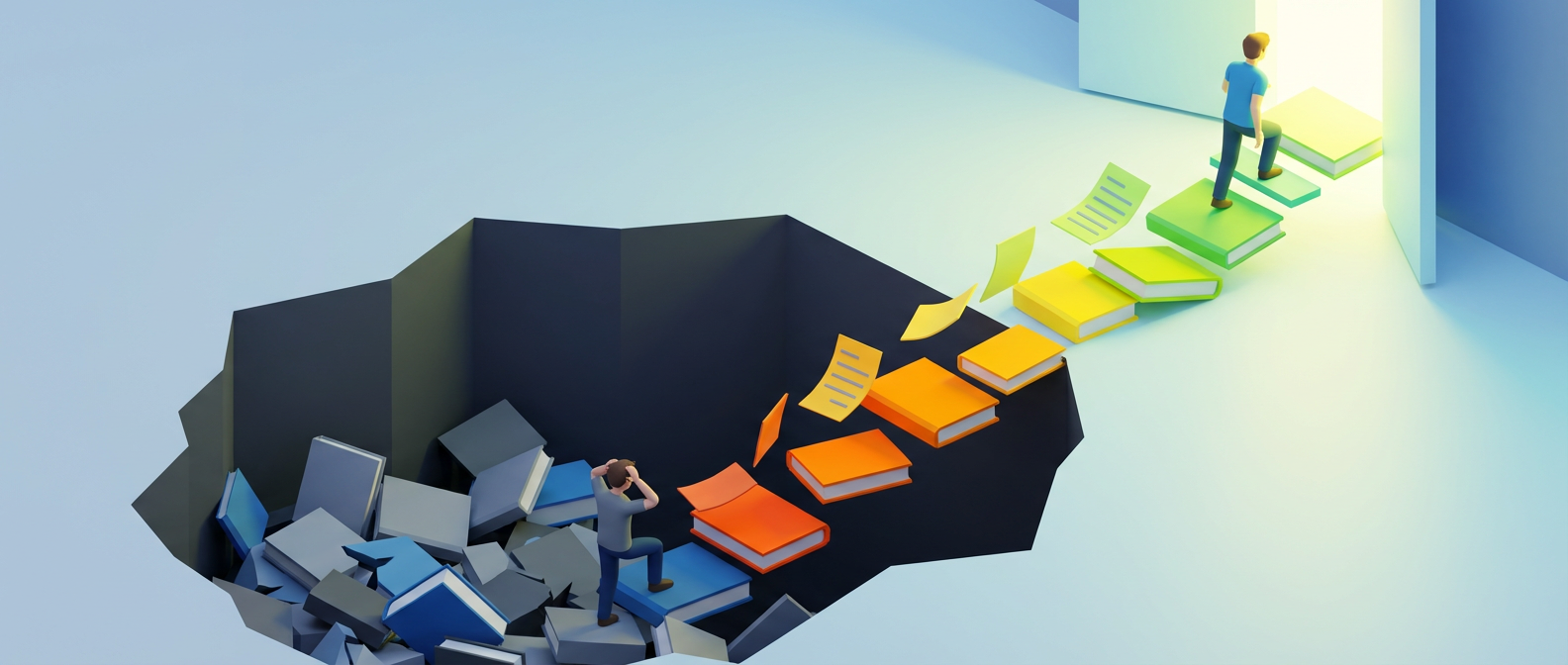
Illustration for When Debut Novels Actually Deserve the Buzz: Four First Books That Prove Hype Can Be Earned

Hanya Yanagihara’s Precision in Pain

When “A Little Life” came out in 2015, the literary world seemed to collectively hold its breath. Here was a 700-page debut about friendship, trauma, and the ways we carry each other through unimaginable darkness. The hype was immediate and intense, which made me skeptical. How could any first novel sustain that kind of emotional and structural ambition?

Then I read Yanagihara’s opening: “The elevator was one of those fearsome contraptions from the early decades of the twentieth century, a metal cage surrounded by a wrought-iron accordion gate that had to be collapsed by hand.” Look how she doesn’t start with character or setting in any conventional sense. She starts with an object that contains threat—”fearsome contraptions”—and the physical act of collapse. Every element of that sentence foreshadows what’s coming: the cage, the need for manual operation, the sense that old systems might trap or fail you.

Yanagihara writes with surgical precision about psychological wounds, never exploiting trauma for shock value but examining how it shapes and reshapes lives. Her sentences build with architectural care, each clause supporting the weight of what comes next. When critics called it “devastating” and “unforgettable,” they weren’t being hyperbolic. They were being accurate.

Ottessa Moshfegh’s Uncomfortable Truths

Nobody wanted to admit they loved “My Education” wasn’t actually Moshfegh’s debut—that honor belongs to “McGlue,” a slim, strange novella that announced a voice unlike anything in contemporary fiction. But it was “Eileen” in 2015 that made everyone pay attention, and for good reason. This is a writer who makes discomfort feel like revelation.

Consider this sentence from early in the novel: “I was not a likable person.” Five words that do more character work than most writers manage in five pages. Moshfegh doesn’t ease us into Eileen’s self-loathing or try to make her sympathetic. She presents it as fact, delivered with the kind of brutal honesty that makes you lean in despite yourself.

What made “Eileen” worthy of its National Book Critics Circle Award nomination wasn’t just Moshfegh’s willingness to write an unlikable narrator—plenty of debuts attempt that. It was her ability to make Eileen’s internal landscape so real that her ugliness becomes almost tender. The prose style mirrors this approach: spare, unflinching, occasionally beautiful in its refusal to beautify.

Tommy Orange’s Rhythmic Revolution

“There There” arrived in 2018 with enormous expectations. A debut novel about urban Native American experience, written by a relatively unknown author, being positioned as the next great American novel? The setup felt almost designed for disappointment. Instead, Orange delivered something that redefined what contemporary American fiction could sound like.

His opening section, “Remain,” begins: “Indian heads. Forget Kevin Costner. Forget Daniel Day-Lewis. Forget the Mohawk.” The staccato rhythm immediately establishes authority—these aren’t suggestions but commands. Orange doesn’t ask permission to tear down stereotypes; he simply does it, sentence by sentence, with the confidence of someone who knows exactly what story he’s telling and why it matters.

The novel’s structure mirrors powwow drumming, with individual voices building to communal rhythm. Orange writes in fragments that accumulate power, creating a mosaic of contemporary Indigenous life that feels both intimate and epic. When the various storylines converge at the Big Oakland Powwow, the collision feels both inevitable and shocking—proof of Orange’s architectural planning and emotional intelligence.

Critics called it “essential” and “transformative,” terms that often feel like marketing speak. But Orange earned those adjectives by writing with the kind of rhythmic sophistication that takes most novelists decades to develop. His sentences move like the best poetry, carrying meaning in their music as much as their content.

The Earned Hype Phenomenon

What sets these debuts apart isn’t just talent—though all three writers have it in abundance. It’s their understanding that every sentence must justify its existence. Yanagihara, Moshfegh, and Orange write with the precision of poets and the architectural vision of master builders. They’ve absorbed the lesson that many debut novelists miss: readers will forgive a lot, but they won’t forgive carelessness.

These books reward slow reading because their authors built them for readers who pay attention. Every word choice works toward the larger project. Every rhythm break and syntactic surprise has been earned through careful craft. When critics and readers respond with unusual enthusiasm, they’re responding to the rare experience of meeting writing that respects their intelligence and rewards their attention.

The next time you see a debut novel generating serious buzz, don’t let cynicism win automatically. Yes, most overhyped books disappoint. But occasionally, very occasionally, a first novel appears that reminds us why we fell in love with literature in the first place. These books don’t just deserve their hype—they change our understanding of what debut fiction can accomplish.

Have you found a debut novel that completely blindsided you with its brilliance? I’m always hunting for that perfect combination of ambition and execution that marks truly exceptional first books. Drop me a line and tell me what I should be reading next.

The Genre Cross-Read: Why Your Fall TBR Needs a Literary Mutt

Breaking the Seasonal Reading Rules

You know that feeling when someone asks what you’re reading and you hesitate because it doesn’t fit the season? Like admitting you’re devouring a beach thriller in October or that you picked up a cozy mystery when everyone expects you to be deep in literary fiction. Here’s the thing: seasonal reading constraints are making our TBR piles boring as hell.

The Genre Cross-Read: Why Your Fall TBR Needs a Literary Mutt

Fall supposedly demands literary fiction, dense tomes that mirror the weight of changing leaves. Winter calls for mysteries and classics, something to hunker down with. Spring wants romance and memoir, fresh starts and blooming hope. Summer screams thrillers and light contemporary, poolside page-turners that won’t make you think too hard.

But what if the most interesting reading happens when genres crash into each other like weather systems? What if crossing genre boundaries creates something more electric than staying safely in your seasonal lane?

Illustration for The Genre Cross-Read: Why Your Fall TBR Needs a Literary Mutt

The Autumn Thriller That Thinks It’s Literary Fiction

Take Tana French’s “In the Woods.” This book refuses to pick a side between being a literary coming-of-age story and a procedural thriller. The mystery plot pushes forward, but French slows everything down with gorgeous, meandering prose about memory and childhood trauma. These opposing forces create this beautiful tension that neither pure literary fiction nor straight mystery could achieve alone.

French figured out something important: thriller plotting forces literary writers to actually move their stories forward, while literary language gives thriller writers permission to dig deeper into character psychology. The result feels urgent and contemplative at the same time, like fall itself.

This is why your October reading needs books that refuse genre purity. Try pairing French with something like Paul Tremblay’s “A Head Full of Ghosts,” which sneaks literary family drama inside a horror novel. The horror elements create pressure that makes the family dynamics more intense, while the literary focus on character makes the scares hit harder because you actually care about these people.

Romance Meets Literary Fiction (And Neither Apologizes)

Romance gets dismissed as “guilty pleasure” reading, especially outside summer months. But romance structure teaches other genres something important about emotional stakes and satisfying conclusions. Romance insists that characters grow and change in ways that serve both plot and heart. Literary fiction, meanwhile, gives romance permission to tackle bigger themes without losing that emotional core.

Look at how Brit Bennett uses romance structure in “The Vanishing Half.” The twin sisters’ story follows romance beats about separation and reunion, but Bennett layers in complex themes about race, identity, and family legacy. The romance framework doesn’t diminish the literary weight. It creates scaffolding that makes the heavier themes more accessible and emotionally resonant.

For your cross-genre experiment, try reading Emily Henry’s “Book Lovers” alongside Jennifer Egan’s “The Candy House.” Henry writes romance that thinks seriously about women’s ambition and family trauma, while Egan explores technology and connection through multiple character relationships. Both authors understand that love stories and family dynamics can carry enormous thematic weight when you don’t apologize for caring about whether people end up happy.

When Horror Meets Memoir (And Gets Uncomfortably Real)

Horror works by making internal fears external and physical. Memoir works by making personal experience universal. When these genres mix, you get something like Carmen Maria Machado’s “Her Body and Other Parties,” which uses horror tropes to examine domestic violence, medical trauma, and queer identity in ways that straight memoir might handle too gently.

The horror structure lets Machado make psychological abuse literally monstrous, while the memoir impulse grounds everything in recognizable emotional truth. Neither genre could achieve what this crossbreeding creates: stories that feel both fantastical and devastatingly real.

This fall, try reading Machado alongside something like Kiley Reid’s “Such a Fun Age,” which uses comedy-of-manners structure to examine racial microaggressions. Both authors understand that genre conventions can be tools for social criticism. Reid’s careful social comedy makes systemic racism visible in ways that straight literary fiction might make too academic, while her literary focus on character development gives the social critique emotional weight.

Why Genre Constraints Actually Create Freedom

Here’s what I’ve learned from years of reading across genre lines: constraints force creativity in ways that total freedom never does. When romance demands a happy ending, literary writers have to figure out how to earn that happiness honestly. When thriller plotting requires constant forward motion, literary writers can’t indulge in beautiful but static scenes that don’t serve story.

Mystery structure teaches all writers about fair play with readers and the satisfaction of resolution. Horror shows how to build sustained tension and make internal conflicts external. Science fiction demonstrates how to use speculative elements to examine current social issues from new angles.

The best books I’ve read this year refuse to stay in their lanes. Ocean Vuong’s “Time Is a Mother” reads like poetry that learned pacing from thriller structure. Silvia Moreno-Garcia’s “Mexican Gothic” combines gothic atmosphere with sharp social commentary about colonialism and patriarchy. These books work because their authors understand that genre tools can serve any story.

So this season, build your TBR like a weird weather system. Pick one book that’s trying to be two genres at once, then follow it with something from a completely different category that shares a similar theme or mood. Read the literary science fiction, the historical fantasy, the mystery that thinks it’s a family drama. Let genre constraints push against each other and see what emerges from that productive friction. Text me at midnight when you finish something that breaks all the rules and ruins you emotionally in the best possible way.

The Books That Broke Me Open: A Reading List That Actually Matters

Start Here: The Gateway Drug

Listen, I know everyone says The Handmaid’s Tale changed their life, but hear me out. I picked up Atwood’s masterpiece at seventeen, thinking I was getting a dystopian thriller. What I got instead was a masterclass in how fiction can be prophecy. The way Atwood builds her world through Offred’s fragmented memories taught me that the most dangerous societies don’t announce themselves with fanfare. They slide in through small compromises, incremental losses of freedom that feel reasonable until suddenly you’re living in someone else’s nightmare.

This book didn’t just make me think differently about politics or women’s rights. It rewired how I consume news, how I evaluate social movements, how I recognize the warning signs of authoritarianism in real time. Every time I see reproductive rights eroded or voting access restricted, I hear Offred’s voice: “We lived in the gaps between the stories.” That’s where real change happens, in those gaps we don’t notice until it’s too late.

The Empathy Expansion Pack

The Kite Runner absolutely destroyed me, and I’m grateful for it. Hosseini’s debut forced me to confront my own ignorance about Afghanistan beyond whatever sanitized version I’d absorbed from news coverage. But more than that, it taught me about the weight of privilege and the complexity of redemption. Amir’s cowardice as a child, his decades-long guilt, his eventual return to Kabul, this isn’t a neat story about good triumphing over evil. It’s messier and more honest than that.

Reading this book made me understand that empathy isn’t just feeling sorry for someone. It’s recognizing the specific ways history, culture, and circumstance shape individual choices. It’s seeing how personal failings and systemic injustices intertwine. I started questioning my own moral certainties, asking harder questions about what I would actually do in impossible situations rather than what I like to think I would do.

Follow this immediately with Persepolis. Satrapi’s graphic memoir picks up where The Kite Runner leaves off, showing how political upheaval looks from inside a child’s experience. The black and white illustrations make the story feel both intimate and universal. You need this one-two punch of perspective to really grasp how individual stories emerge from collective trauma.

The Reality Check That Hurts So Good

Then you’re ready for Invisible Man. Fair warning: this book will make you uncomfortable if you’re white, and it should. Ellison’s unnamed narrator forced me to see how white people can look right through Black experiences while congratulating ourselves on being progressive. The invisibility isn’t about literally not being seen, it’s about being seen only as a projection of what others expect or fear.

What wrecked me most was recognizing myself in the well-meaning white characters who think they’re helping while actually perpetuating harm. The Brotherhood members who use the narrator for their own ends while claiming to fight for justice. The narrator’s realization that good intentions don’t erase harmful impact. This book taught me that anti-racism isn’t about being a good person who doesn’t see color. It’s about seeing color, acknowledging the reality of racism, and doing the uncomfortable work of examining your own complicity.

I read this during my junior year of college, and it completely changed how I approached my literature classes, my friendships, my understanding of American history. Ellison’s prose is gorgeous and brutal, and his insights about identity, power, and belonging feel as urgent now as they did in 1952.

The Science of Being Human

Sapiens belongs on this list even though it’s not fiction, because Harari fundamentally altered how I think about human nature and progress. His central argument, that our ability to believe in shared fictions like money, nations, and religions is what allowed us to cooperate in large groups, reframes everything from capitalism to democracy as elaborate storytelling exercises.

This book made me a more skeptical reader of everything else. When I encounter grand narratives about human behavior or historical inevitability, I hear Harari asking: “But what story are we telling ourselves here, and who benefits from us believing it?” It’s not cynicism, exactly. It’s a kind of informed wonder at how malleable human societies really are, how much of what we take for granted is actually contingent and changeable.

Reading Sapiens also prepared me to think more clearly about climate change, artificial intelligence, and other existential challenges. Harari’s long view of human development makes our current moment feel both more urgent and more manageable. We’ve reinvented ourselves before. We can do it again, if we’re honest about what needs changing.

The Stories We Tell Ourselves

End with The Lacuna. Kingsolver’s novel about an artist caught between Mexico and the United States during the 1930s and 1940s pulled together everything I’d learned from the previous books about perspective, power, and truth. The protagonist, Harrison Shepherd, becomes a bestselling novelist whose work is later used against him during McCarthyism. The book is partly about how art gets weaponized, how the same story can be read as patriotic or subversive depending on who’s doing the reading.

What makes this book essential is how it demonstrates that there’s no neutral position when it comes to storytelling. Every narrative choice, what to include, what to emphasize, whose perspective to center, is political. This doesn’t mean abandoning the possibility of truth, but it does mean taking responsibility for the stories we choose to tell and amplify.

These five books created a foundation for how I approach everything I read now. They taught me that literature isn’t escapism, it’s practice for being more fully human in a complicated world. They’re the reason I trust books to help me think through problems that don’t have easy solutions, to sit with discomfort rather than rushing toward false comfort.

What books have fundamentally shifted how you see the world? I’m always looking for recommendations that will challenge my assumptions and expand my understanding. Send me your life-changing reads, I promise to approach them with the same openness these books taught me to develop.

When Words Feel Foreign: How Translation Shapes Our Reading Slumps

The Language Barrier We Don’t Talk About

You know that feeling when you pick up a book everyone’s raving about and the words just slide off your brain like water on glass? Sometimes it’s not you. Sometimes it’s the translation. I’ve been there, staring at what should be beautiful prose that reads like it was run through Google Translate by someone who learned English from instruction manuals.

When Words Feel Foreign: How Translation Shapes Our Reading Slumps

Reading slumps hit differently when you realize the book isn’t connecting because someone else’s interpretation of the author’s voice is sitting between you and the story. It’s like trying to fall in love with someone through a bad phone connection. The static matters.

This isn’t about translator bashing. Translation is impossibly hard, underpaid work that requires real artistry. But recognizing when translation choices contribute to our reading struggles can help us break free from slumps that aren’t really about us losing our love for books.

Illustration for When Words Feel Foreign: How Translation Shapes Our Reading Slumps

When Beautiful Books Feel Clunky

I once spent three months convinced I’d lost my ability to appreciate literary fiction. Every acclaimed international novel felt wooden, every sentence forced. Then I picked up a different English translation of The Stranger and everything clicked. Camus wasn’t boring. That first translator had just sucked all the existential cool from his prose.

Some translators focus on literal accuracy over capturing the author’s voice. Others take such liberties with the text that you’re basically reading their interpretation of someone else’s story. Neither approach is wrong, but both can leave readers feeling disconnected without understanding why.

Watch for warning signs: dialogue that sounds like no human has ever spoken, cultural references that feel awkwardly explained, or rhythm that makes you stumble over every other sentence. These aren’t always translation issues, but they’re worth investigating when a highly praised book leaves you cold.

The Invisible Art of Making Words Flow

Great translators disappear completely. You forget you’re reading across languages because they’ve found English equivalents for words and for feeling, humor, cultural weight. Ann Goldstein makes Elena Ferrante’s Naples feel as immediate as your own neighborhood. Anthea Bell captured the manic energy of Asterix comics so perfectly that British kids grew up thinking they were reading something originally English.

These translators understand that fidelity isn’t about word-for-word accuracy. It’s about emotional accuracy. When Roberto Bolaño writes about literary obsession, Natasha Wimmer finds English rhythms that make you feel that same desperate hunger for books. When Haruki Murakami describes the surreal bleeding into daily life, his translators preserve that dreamlike quality that makes you question what’s real.

Sometimes escaping a reading slump means seeking out these translator virtuosos. Look for names that appear repeatedly on books you’ve loved. Follow translators on social media to understand their approach. They often discuss the impossible choices they make, turning translation into a fascinating art form worth following on its own.

Finding Your Way Back Through Better Bridges

When you suspect translation troubles are contributing to your slump, try the comparison cure. Read excerpts from different English versions of the same work online. Library databases often have multiple translations of classics. The differences can be shocking. One translator’s “melancholy” becomes another’s “sadness,” completely changing the emotional temperature.

Consider the translator’s background too. Someone who lived in the author’s culture might capture details that a purely academic translator misses. But sometimes an outsider’s perspective brings clarity to cultural assumptions the author took for granted. There’s no universal rule, just different bridges built by different architectural philosophies.

Don’t force yourself through translations that feel wrong. Life’s too short and there are too many books. If a celebrated international novel isn’t working, try a different translator or come back to it later. Your reading slump might lift simply because you found the right voice to carry you across the language divide.

Building Your Translation Radar

Once you start paying attention to translation, you’ll develop instincts about what works for you. Some readers prefer translators who preserve foreign terms and cultural references, keeping the text’s otherness intact. Others want complete naturalization, where the book feels like it could have been written originally in English.

Both approaches have merit, but knowing your preference helps you choose translations that won’t contribute to reading slumps. If you love linguistic texture, seek out translators who preserve the author’s experimental syntax. If you want smooth immersion, find translators known for invisible craftsmanship.

Start building a mental roster of translators whose work clicks with you. When you love a translated book, note who brought it into English. Publishers are finally giving translators more prominent credit, making it easier to follow their careers across different authors and genres.

Remember that translation shapes more of our reading than we realize. Every foreign author you’ve loved reached you through someone else’s choices about language and rhythm. When books feel distant or difficult, sometimes the solution isn’t changing your reading habits but finding translators whose bridges feel solid under your particular reading feet. The right translator can turn a slump-inducing slog into the book that reminds you why you fell in love with reading across cultures in the first place.

Your Fall Reading List Needs a Plot Twist (And I Have Opinions)

Why Most Seasonal Reading Lists Are Doing It Wrong

Look, I love a good “cozy fall reads” roundup as much as anyone, but can we talk about how predictable they’ve become? Every October, the same suspects show up: something with a witch, a mystery set in New England, maybe a campus novel if we’re feeling fancy. Don’t get me wrong, I have nothing against atmospheric fiction that pairs well with pumpkin spice, but your fall reading deserves more intention than matching your books to your candles.

Your Fall Reading List Needs a Plot Twist (And I Have Opinions)

Here’s what I’ve learned after years of building seasonal reading experiences: the best fall reading lists aren’t about vibes alone. They’re about emotional journey. Fall is transformation season, so your books should transform too. Start where you are, then let each book build on the last. You want a reading arc that mirrors the season’s own movement from abundance to introspection to preparation.

September: Start With Something That Celebrates Excess

September still carries summer’s confidence, so lean into stories of abundance and ambition. This is when I reach for novels that sprawl and indulge, books that aren’t afraid to show off. The Seven Husbands of Evelyn Hugo by Taylor Jenkins Reid works perfectly here, it’s got the glamour and the emotional heft to carry you from beach reading into something deeper. Or try The Atlas Six by Olivie Blake if you want fantasy that feels like wearing velvet.

For non-fiction, September calls for something aspirational. Crying in H Mart by Michelle Zauner hits that sweet spot between memoir and cultural criticism, giving you something substantial to chew on while the world still feels possible. The key is choosing books that feel generous with their pleasures, because October’s going to demand more from you emotionally.

October: Lean Into the Dark, But Make It Literary

October is when your reading gets serious about shadows, but please, for the love of all that’s holy, skip the obvious horror unless it’s actually good horror. Instead of reaching for whatever has a jack-o’-lantern on the cover, try books that understand the scariest thing is often the human heart. Mexican Gothic by Silvia Moreno-Garcia delivers genuine chills while also being a meditation on colonialism and bodily autonomy.

This is also the perfect time for literary fiction that isn’t afraid to go to uncomfortable places. The Power by Naomi Alderman will leave you questioning everything you think you know about gender and power dynamics. Or if you want something that feels like a ghost story but hits like a philosophical treatise, Beloved by Toni Morrison is waiting for you. Yes, it’s heavy. That’s the point.

October reading should leave you slightly unsettled, questioning things you thought you knew. Save the comfort reads for November. Right now, you want books that strip away illusions.

November: Time for Stories That Feel Like Coming Home

By November, you’ve done the work of interrogating and unsettling. Now you need books that feel like putting on a warm sweater after walking in the cold. This doesn’t mean easy books, it means books that understand comfort can coexist with complexity. Anxious People by Fredrik Backman is my go-to recommendation here because it’s both hilarious and heartbreaking, like spending time with your funniest, most empathetic friend.

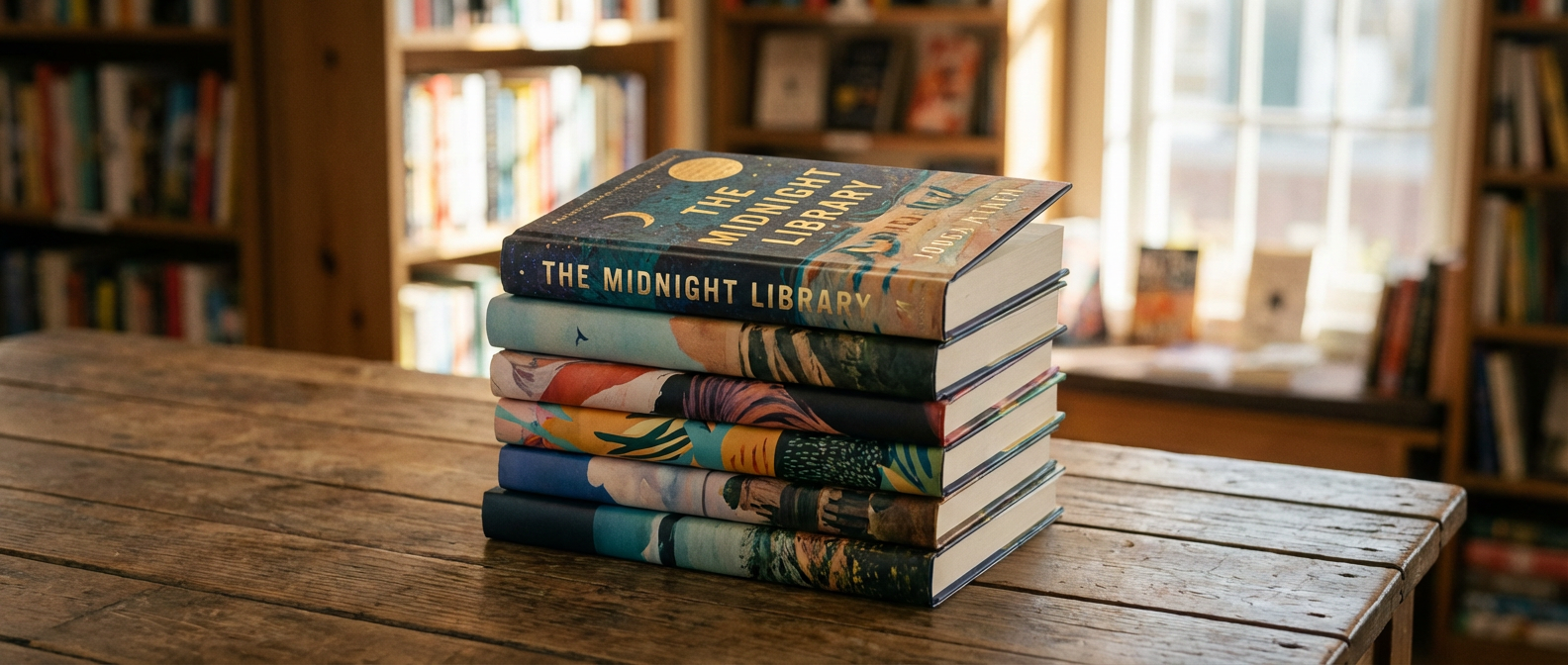
Family sagas work beautifully in November because they mirror the season’s focus on gathering and gratitude. Homegoing by Yaa Gyasi traces generations of a family across continents and centuries, giving you that sweeping, roots-deep satisfaction that November craves. Or try The Midnight Library by Matt Haig if you want something that feels like a philosophical conversation by the fireplace.

November books should acknowledge life’s difficulties while affirming human connection. You want to finish these feeling like you understand something important about love, loss, or the way families shape us.

December: End With Wonder and Possibility

December reading is tricky because everyone expects either pure escapism or heavy literary prizes, but the best December books understand that year-end reading should feel like a gift to your future self. Choose books that expand your sense of what’s possible. Klara and the Sun by Kazuo Ishiguro examines love and consciousness through the eyes of an artificial being, leaving you with questions that will follow you into the new year.

If you need something more traditionally uplifting, The House in the Cerulean Sea by TJ Klune proves that hope doesn’t have to be naive. It’s about found family and second chances, themes that hit perfectly as one year ends and another begins. For non-fiction, try Braiding Sweetgrass by Robin Wall Kimmerer, part memoir, part nature writing, part indigenous wisdom, and it will change how you see the world around you.

The goal with December reading isn’t to tie everything up in a neat bow. It’s to end the year feeling curious and open, ready for whatever stories the new year might bring.

The Real Secret: Trust Your Reading Instincts

Here’s the thing about seasonal reading: the magic isn’t in following someone else’s perfectly organized list. It’s in paying attention to what each book teaches you about what you want to read next. Maybe you finish that September abundance novel and realize you’re craving poetry. Maybe October’s darkness sends you running toward romance. That’s not failure, that’s your reading life talking to you.

The best reading experiences happen when you stop trying to read what you think you should and start reading what your soul is actually asking for. Use lists like this as a starting point, then follow the threads that catch your attention. Trust me, your books will find you if you’re paying attention.

So tell me: what’s calling to you right now? What book is sitting on your nightstand, waiting for the right moment? Drop a comment and let’s talk about it. Because the best part of reading isn’t the solitary experience, it’s finding someone who gets why that random Tuesday night novel completely rewrote your understanding of love.

The Books That Beat Me: A Reader’s Honest Reckoning

When Perfect Pedigree Isn’t Enough

I have a confession that might revoke my book lover credentials: I couldn’t finish Infinite Jest. Not because I didn’t understand it, or because I was intimidated by its reputation. I put it down after 300 pages because David Foster Wallace’s relentless verbal pyrotechnics felt like being trapped in conversation with the smartest person in the room who won’t let you get a word in edgewise.

The Books That Beat Me: A Reader's Honest Reckoning
The Books That Beat Me: A Reader’s Honest Reckoning

This realization forced me to confront an uncomfortable truth about my reading life. Sometimes the books everyone else celebrates leave me cold, not because they’re bad, but because they’re asking for something I’m not willing to give. Wallace wanted total surrender to his vision of fractured consciousness and infinite entertainment. I wanted a story that trusted me enough to breathe alongside it.

The same thing happened with The Luminous Novel by Mario Levrero. Here was a book that won major literary prizes, a meta-fictional meditation on writing and procrastination that should have been catnip for someone who thinks about books professionally. Instead, I found myself checking the page count every few minutes, something I only do when a book has lost me completely. Levrero’s deliberate mundanity felt less like profound observation and more like watching paint dry in real time.

Illustration for The Books That Beat Me: A Reader's Honest Reckoning
Illustration for The Books That Beat Me: A Reader’s Honest Reckoning

The Archaeology of Abandoned Books

What gets me about DNF books is how they create their own archaeological layer in our reading lives. Unlike books we actively dislike, these abandoned volumes occupy a strange middle ground. They’re not failures exactly, just mismatched encounters between reader and text at a particular moment in time.

Take The New York Trilogy by Paul Auster. I’ve started this book four separate times over the past decade. Each attempt gets me about halfway through before I drift away, not from boredom but from a kind of literary vertigo. Auster’s postmodern detective stories feel like standing in a hall of mirrors where every reflection shows you something slightly off from what you expected to see.

The weird thing is that I can articulate exactly why these books work for other readers. Auster’s exploration of identity and narrative construction appeals to people who enjoy fiction that questions its own foundations. But knowing why something should work and feeling it work are entirely different experiences. Sometimes your brain says yes while your gut says not today.

The Tyranny of Should

The worst DNF books are the ones you abandon while actively feeling guilty about it. My Struggle by Karl Ove Knausgård falls squarely into this category. Here’s a six-volume autobiographical novel that redefined contemporary literature, influenced countless writers, and sparked passionate debates about the nature of memoir versus fiction.

I made it through volume one and partway through volume two before admitting defeat. Knausgård’s microscopic attention to daily life felt revolutionary when I read about it but suffocating when I experienced it firsthand. His unflinching examination of ordinary moments should have clicked with someone who finds meaning in small observations. Instead, I felt like I was drowning in someone else’s hypervigilant consciousness.

The guilt came from recognizing the book’s ambition and cultural weight while simultaneously feeling trapped by its relentless interiority. It’s one thing to bounce off a book you can dismiss as overhyped. It’s another to acknowledge that a genuinely important work of literature simply isn’t for you, at least not right now.

Timing and the Mystery of Reading Chemistry

Some books defeat me because I meet them at the wrong moment. I tried to read Dept. of Speculation by Jenny Offill during a particularly chaotic period in my own life. Offill’s fragmented prose style, which captures the scattered attention of new motherhood with devastating accuracy, felt too close to my own mental state at the time. I needed fiction that would organize chaos, not mirror it back to me.

This hits on something we don’t discuss enough: the chemistry between book and reader depends heavily on timing. The same novel that leaves you cold at twenty-five might devastate you at forty. Your capacity for certain kinds of literary experiences shifts based on where you are emotionally, intellectually, and even physically.

I suspect I’ll return to many of these abandoned books eventually. Not because I feel obligated to finish them, but because I’m curious about what future versions of myself might see in them. Reading is a conversation between who you are and what’s on the page, and both sides of that conversation are constantly changing.

The Freedom in Not Finishing

Learning to abandon books without guilt has actually made me a more adventurous reader. When you know you can bail on something that isn’t working, you’re more willing to take risks on unusual or challenging works. DNF becomes a tool for exploration rather than a mark of failure.

There’s also something freeing about admitting that not every acclaimed book needs to work for you personally. Literary culture often treats reading like homework, where failing to finish an Important Novel suggests some deficiency in your character or intellect. But reading is ultimately about connection, and connection can’t be forced or faked.

The books that beat me have taught me as much about my own reading preferences as the ones I’ve devoured. They’ve shown me that I value forward momentum over stylistic experimentation, that I need some emotional tether even in the most intellectually ambitious fiction, and that my patience for certain kinds of literary games varies dramatically based on my mood and circumstances.

What books have defeated you, and what did those defeats teach you about yourself as a reader? I’m genuinely curious about the novels that have sent other people running, because I think our DNF lists might be more revealing than our favorites.

The New Cartographers: How Contemporary Science Fiction Maps Tomorrow’s Possibilities

Beyond the Wasteland: Climate Fiction Takes Center Stage

The scorched earth of classic dystopia is giving way to something more complex. Climate fiction has become the defining subgenre of science fiction in the 2020s, but it refuses the simple apocalypse narrative that dominated earlier environmental SF. These stories don’t just imagine collapse. They imagine adaptation, resistance, and the messy work of survival in a world already changed.

What makes contemporary cli-fi distinct is its refusal to treat climate change as future speculation. The genre operates from the premise that we’re already living in the changed world. Writers like Kim Stanley Robinson and Becky Chambers build narratives around communities creating new forms of resilience. The constraint here produces innovation: how do you tell stories about hope when the traditional frameworks for progress have broken down?

This shift reflects how science fiction has grown up in its approach to environmental themes. Earlier works often positioned nature as either pristine wilderness to be preserved or hostile force to be conquered. Climate fiction recognizes that we’re already past those binaries. The interesting stories happen in the space between catastrophe and recovery, where humans and more-than-human worlds negotiate new relationships.

Prestige and Experiment: The Literary Architecture of Modern SF

Ted Chiang and N.K. Jemisin represent two poles of contemporary science fiction’s literary ambitions. Chiang’s precise, mathematically elegant short fiction shows how speculative elements can illuminate fundamental questions about consciousness, free will, and meaning. His stories work like thought experiments, using SF concepts as philosophical tools rather than mere plot devices.

Jemisin’s epic fantasy-SF hybrids, meanwhile, show how worldbuilding can work as social critique. Her Broken Earth trilogy doesn’t just imagine different physics, it imagines different social structures, different relationships between power and knowledge. The constraint of creating coherent alien societies produces insights about our own world’s seemingly natural hierarchies.

Both writers use genre elements with purpose. They don’t deploy technology or magic as solutions to narrative problems. Instead, they explore how different material conditions might reshape human consciousness and community. This approach has earned them critical recognition that extends beyond genre boundaries, suggesting that SF’s experimental methods have broader literary value.

Solarpunk’s Green Machinery: Aesthetics as Resistance

While cyberpunk imagined futures dominated by corporate power and technological alienation, solarpunk offers a different aesthetic vocabulary. The movement centers sustainable technology, community cooperation, and integration between human settlements and natural systems. But solarpunk isn’t just optimistic environmentalism. It’s a response to the narrative constraints that cyberpunk established.

Cyberpunk’s neon-lit urban sprawl and corporate dystopia became so influential that it shaped how we imagine technological futures. Solarpunk deliberately works against those assumptions. Its green cities and cooperative networks suggest that technology doesn’t inevitably produce domination. The aesthetic choices (living architecture, renewable energy, horizontal organization) encode different political possibilities.

Independent publishers have been particularly important in developing solarpunk’s visual and narrative language. Strange Horizons speculative fiction and similar venues provide space for experimentation that larger publishing houses might consider too niche. The constraint of smaller audiences actually allows for more radical imagining. Writers can assume readers who want to think seriously about alternatives to current systems.

Digital Minds and Ancient Questions: AI Fiction’s Philosophical Turn

Artificial intelligence fiction has moved beyond robot rebellions and Turing test scenarios. Contemporary AI stories explore questions about consciousness, rights, and personhood that connect to broader philosophical traditions. What does it mean to be a thinking being? How do we recognize minds that don’t think like us?

This shift reflects real-world developments in machine learning and cognitive science, but also deeper changes in how we understand intelligence itself. Writers like Martha Wells and Becky Chambers create AI characters that aren’t human copies. They think differently, value different things, and have different relationships to embodiment and mortality.

The constraint of imagining genuinely alien intelligence produces stories that question human exceptionalism without necessarily privileging artificial minds. These narratives explore how different forms of consciousness might coexist and communicate. They suggest that intelligence might be more diverse and distributed than our assumptions allow.

Translation and Expansion: Global Science Fiction’s Growing Reach

Science fiction from China and Eastern Europe has found increasing English-language readership, bringing different cultural perspectives to familiar genre themes. Liu Cixin’s Three-Body trilogy introduced Western readers to Chinese SF’s distinctive approach to cosmic-scale storytelling. Writers like Stanislaw Lem and the Strugatsky brothers, long available in translation, have found new audiences alongside contemporary Eastern European voices.

These works often operate from different assumptions about individual agency, technological progress, and social organization. Chinese SF frequently explores collectivist responses to large-scale challenges, while Eastern European traditions bring deep skepticism about technological salvation. Tor.com SF culture and other venues have been key in bringing these perspectives to broader audiences.

The constraint of translation itself produces interesting effects. Stories must communicate across not just linguistic but cultural differences. This process often highlights the assumptions embedded in familiar SF tropes. What seemed universal reveals itself as culturally specific. The result is a more genuinely global conversation about possible futures.

Hard science fiction maintains its dedicated readership while character-driven speculative fiction attracts expanding audiences. This suggests that the genre’s future lies not in choosing between technical rigor and human drama, but in finding new ways to integrate both approaches. The most interesting contemporary SF uses scientific constraints to generate character development and explores how technological change reshapes emotional and social life. These cross-currents suggest continued innovation as writers discover what new combinations of elements might tell us about who we are and who we might become.

The Novel’s New Rules: How Literary Fiction Survives in a Transformed Landscape

The Platform Revolution That Publishers Didn’t See Coming

BookTok changed everything overnight. Social media influencers now drive more than a fifth of fiction sales across major publishing houses, completely flipping how books reach readers. This isn’t just about teenagers dancing with paperbacks. It’s about a complete inversion of literary gatekeeping, where a fifteen-second video can launch a novel faster than a starred review in Publishers Weekly industry news.

The ripple effects go way beyond marketing budgets. Publishers now chase viral moments instead of building long-term literary careers. Books get designed for platform-friendly aesthetics. Cover art mimics Instagram feeds. Plot structures bow to shorter attention spans.

But something interesting happens in all this chaos. Readers discover literary fiction through weird pathways. Donna Tartt gains new devotees. Sally Rooney becomes a household name. The algorithm doesn’t discriminate between commercial and literary work the way traditional publishing once did.

The Economics of Literary Risk

Publishing houses tighten their purse strings for debut novelists while chasing established names with bigger advances. This consolidation of risk appetite creates a brutal paradox for emerging literary voices. Publishers want guaranteed returns, but literary fiction thrives on uncertainty, on voices that challenge rather than comfort.

Meanwhile, genre fiction authors increasingly bypass traditional publishing altogether. Self-published writers in romance, fantasy, and mystery often outearn their traditionally published counterparts. They control their publishing schedules, maintain higher royalty rates, and build direct relationships with readers.

Literary fiction remains tied to traditional publishing prestige, but for how long? The economics suggest a reckoning approaches. When literary authors can reach readers directly and earn more money doing it, traditional publishing has to prove its worth or risk becoming obsolete.

Physical Books Find New Life in Unexpected Places

Barnes and Noble’s resurrection story gives me hope for literary fiction’s future. Under Elliott Management’s guidance, the chain added thirty new stores and refocused on what bookstores do best: smart curation. Physical browsing creates those random discoveries that algorithms struggle to replicate.

Independent bookstores never stopped championing literary fiction, but their reach stays limited. Barnes and Noble’s revival suggests that physical retail can coexist with digital platforms, each handling different aspects of reader behavior. Bookstores excel at introducing readers to unexpected authors. Online platforms excel at delivering known quantities quickly.

This retail renaissance coincides with younger readers rediscovering physical books. The same generation that drives BookTok also values tangible objects in an increasingly digital world. Literary fiction benefits from this trend more than other genres because it’s often designed for slower, more thoughtful consumption.

The Digital Lending Wars and Literary Access

Publishers and libraries remain locked in bitter disputes over e-book lending that started during the pandemic and show no signs of stopping. Libraries want to help patrons with digital copies. Publishers fear that unlimited lending kills sales. Literary fiction sits caught in the middle of this economic warfare.

The stakes matter enormously for literary authors whose sales numbers often determine whether publishers offer future contracts. Every library loan equals a potential lost sale, publishers argue. Every restricted e-book equals reduced access to literature, librarians counter.

This conflict reveals a deeper tension about literature’s role in society. Should books be treated as commercial products first, or cultural goods that deserve broad access? The answer shapes whether literary fiction remains available to readers regardless of economic status.

Prize Culture and the Homogenization Problem

Literary prizes supposedly celebrate excellence, but critics increasingly question whether they create a narrow definition of worthwhile fiction. Prize committees gravitate toward similar themes, structures, and voices. The result looks more like an echo chamber than a celebration of literary diversity.

This homogenization extends beyond individual prizes to the entire literary ecosystem. Book reviewers reference prize winners when evaluating new work. Publishers acquire manuscripts that resemble recent winners. Readers develop expectations based on previous prize selections.

Yet prizes remain crucial for literary fiction’s visibility in a crowded marketplace. Literary Hub book culture continues to thrive partly because prizes create talking points and shared cultural moments. The challenge lies in expanding rather than restricting the definition of prize-worthy literature.

The novel survives by adapting, as it always has. Digital platforms create new readers even as they challenge traditional publishing models. Economic pressures force innovation in how literary fiction reaches audiences. Physical and digital retail spaces find complementary rather than competitive roles.

These changes require active participation from readers who care about literary fiction’s future. Support debuts alongside established authors. Discover books through multiple channels rather than relying on single sources. Engage with your local library’s collection development while buying books from independent stores. The novel’s health depends on a diverse ecosystem of readers, writers, and intermediaries working together rather than in isolation.

Follow the Money: Where Independent Authors Actually Make Bank in Genre Fiction

Romance Rules Everything Around Me

Let’s cut to the chase. Romance dominates the fiction landscape, claiming more than a quarter of all novel sales in the United States. This isn’t just a trend—it’s a market reality that independent authors ignore at their own financial peril. The numbers don’t lie, and neither should your publishing strategy.

But here’s where it gets interesting for indie authors. Romance readers are voracious consumers who actively seek new voices and aren’t bound by traditional publishing gatekeepers. They’ll discover you through book blogs, social media recommendations, and word-of-mouth faster than any marketing campaign could dream of reaching them. The genre rewards consistency, series thinking, and direct reader engagement, all areas where independent authors can outmaneuver traditional publishers.

The romance umbrella covers dozens of profitable subgenres. Contemporary romance, historical romance, paranormal romance. Each has dedicated readerships willing to pay premium prices for quality content. Smart indie authors aren’t just writing romance; they’re building romance empires, one satisfied reader at a time.

The Romantasy Revolution Is Your Golden Ticket

BookTok has created a monster, and that monster’s name is romantasy. This romance-fantasy hybrid is the fastest-growing segment in genre fiction, driving unprecedented engagement across social media platforms in 2024 and 2025. Young readers are devouring books that blend swoony romance with magical worldbuilding, creating a perfect storm of commercial opportunity.

What makes romantasy particularly attractive for independent authors is its visual marketing potential. These books photograph beautifully, inspire fan art, and generate the kind of passionate reader engagement that translates directly into sales. The Publishers Weekly genre coverage consistently highlights romantasy titles breaking into mainstream bestseller lists, many authored by writers who started as independents.

The key insight here isn’t just to write romantasy—it’s to understand why readers love it. They want emotional satisfaction wrapped in escapist fantasy. They want characters who face real relationship challenges alongside mythical creatures and magic systems. Give them both, and you’ve got a formula for sustainable income.

Comfort Reads Are Comfort Profits

In an increasingly chaotic world, readers are gravitating toward genres that offer psychological safety nets. Cozy mysteries and cozy fantasy are experiencing remarkable growth as audiences seek stories that entertain without traumatizing. These genres are reliable income streams for authors who master their particular rhythms and reader expectations.

Cozy mysteries operate on familiar patterns: amateur sleuths, quirky small-town settings, minimal violence, and puzzles that readers can solve alongside the protagonist. The formula might seem restrictive, but it’s actually liberating for indie authors. Readers know what they want, and they’ll reward authors who deliver it consistently. Series potential is enormous, and loyal readerships develop quickly when you nail the cozy mystery sweet spot.

Cozy fantasy follows similar principles but swaps murder mysteries for magical adventures in low-stakes environments. Think coffee shop witches and village bakers who accidentally save kingdoms. The appeal lies in magical escapism without the existential dread that runs through darker fantasy. For independent authors, this means building readerships that will follow you book after book, seeking that same warm feeling your stories provide.

Both genres thrive on community engagement. Readers discuss favorite series, recommend new discoveries, and actively participate in author-reader relationships. This direct connection is indie publishing’s greatest advantage over traditional houses—you can build personal relationships with your audience that translate into long-term financial stability.

Controversy Sells, But Strategy Matters More

Dark romance walks a tightrope between outrage and obsession, generating both record sales and heated debates about content boundaries. This subgenre proves that controversy, when handled skillfully, can become a powerful marketing engine. Independent authors in this space are discovering that readers hungry for edgy content will seek them out specifically because traditional publishers shy away from their boldest material.

The financial success of dark romance reveals something important about modern readers—they want authentic emotional experiences, even uncomfortable ones. They’re tired of sanitized content and drawn to authors brave enough to explore psychological complexity. For indie writers willing to push boundaries thoughtfully, this is untapped earning potential.

Success in dark romance requires understanding your audience deeply and marketing responsibly. Clear content warnings aren’t just ethical necessities—they’re business strategies that help the right readers find your work while protecting those who shouldn’t engage with it. The Alliance of Independent Authors resources offers valuable guidance on navigating sensitive content marketing.

Gaming Culture Meets Publishing Gold

LitRPG and progression fantasy emerged from webfiction communities and are rapidly claiming mainstream territory. These genres blend gaming mechanics with traditional storytelling, attracting readers who understand leveling systems, skill trees, and character progression in ways that translate perfectly to narrative fiction. Independent authors who understand gaming culture have first-mover advantages in this expanding market.

What makes these genres particularly profitable for indies is their built-in series potential and engaged online communities. Readers expect long-form storytelling with measurable character growth—exactly the kind of content that builds sustainable author careers. The audience actively seeks new voices and isn’t dependent on traditional publishing discovery mechanisms.

Audiobook consumption drives significant revenue in these genres, with year-over-year growth exceeding twenty percent for genre fiction audio content. Readers often consume LitRPG and progression fantasy while gaming, commuting, or multitasking, making audio format adoption necessary for maximizing income potential. The investment in professional narration pays dividends through enhanced reader engagement and expanded market reach.

Your Next Move in the Genre Fiction Game

The evidence is clear—genre fiction is the most reliable path to independent author profitability. But success requires strategic thinking beyond just choosing profitable genres. You need to understand reader psychology, community dynamics, and market positioning to transform writing talent into sustainable income.

Which of these genres speaks to your creative instincts while aligning with your financial goals? The most successful independent authors don’t chase trends—they find the intersection between personal passion and market demand, then commit to mastering their chosen territory.

The Reading List Argument: Genre fiction markets — where the money is for independent authors

Here is the thing I keep coming back to on this. The topic of genre fiction markets, where the money is for independent authors, deserves more careful attention than the typical coverage provides. The reason isn’t complicated once you know where to look.

What I find most interesting, and I think you will too, is how the romantasy hybrid genre is driving the fastest growth on BookTok in 2024-2025. The honest read of the situation is also the more accurate one once you examine what the evidence actually shows.

The Pathway: Setting the Terms

Romance accounts for over 25 percent of all fiction sold in the US. This isn’t just a data point in the story of genre fiction markets where the money is for independent authors. It’s the structural condition that makes everything else in this analysis make sense. Context like this doesn’t age quickly. The conditions that produced it have been building for years, and this convergence is what makes the current moment different from previous moments that looked similar from a distance.

Romantasy hybrid genre is driving the fastest growth on BookTok in 2024-2025.

Cozy mystery and cozy fantasy are growing as readers seek comfort reads. Publishers Weekly genre coverage has been tracking this trend consistently.

What makes this moment worth examining carefully isn’t the novelty but the confirmation. The underlying dynamics have been visible for some time. What’s new is that they’ve reached a threshold where ignoring them requires active effort rather than simple inattention. That threshold crossing is the event, not the underlying movement that produced it.

And dark romance subgenres are generating controversy and record sales simultaneously. This is part of that same picture. These elements don’t exist in separate silos, they’re reinforcing conditions in the same structural shift.

The Reading List Argument: The Analysis

Dark romance subgenres generating controversy and record sales simultaneously is where the analysis gets more specific. The surface reading is accessible and not wrong, but it misses the mechanism. And the mechanism is where the practical insight lives. What I find most interesting, and I think you will too, is that LitRPG and progression fantasy niches are growing from webfiction audiences to mainstream. Understanding this changes what you do with the information.

The audiobook market for genre fiction is growing 20 percent year-over-year.

The skeptical counterargument deserves honest engagement: prior moments with similar surface characteristics didn’t produce the outcomes that seemed logical at the time. That history is real. What’s different now is the audiobook market for genre fiction growing 20 percent year-over-year, which isn’t a minor variable. It’s the infrastructure condition that previous cycles lacked. Infrastructure changes tend to be persistent in ways that sentiment-driven changes are not. Alliance of Independent Authors resources is one source tracking this dimension with the rigor it requires.

There’s also a distributional question that often goes unaddressed in coverage of genre fiction markets where the money is for independent authors: who captures the value created by these shifts, and who absorbs the disruption costs? The aggregate picture can be positive while the distribution is uneven in ways that matter enormously to specific participants. Keeping that distributional lens in view is part of reading the situation clearly rather than simply optimistically.

Implications: What This Means If You Care About Reading paths for specific goals

The implications of genre fiction markets where the money is for independent authors extend beyond the immediate context. Romance accounts for over 25 percent of all fiction sold in the US, combined with the structural conditions described above, creates a situation where adjacent fields, decisions, and communities are affected in ways that aren’t always visible from inside the primary story. The second-order effects are frequently more important than the first-order ones. They’re where careful attention pays the highest returns.

Think about the bookish friend whose recommendations always land.

The practical question isn’t whether to engage with these dynamics but how. The answer depends on context, on what role you occupy relative to genre fiction markets where the money is for independent authors, and what your actual decision horizon is. But the first step is the same regardless: accurate understanding of what’s actually happening rather than what the most available narrative says is happening.

A few concrete observations are worth separating out from the broader analysis. First: romantasy hybrid genre driving the fastest growth on BookTok in 2024-2025 isn’t a temporary condition. It’s a new baseline. Second: LitRPG and progression fantasy niches growing from webfiction audiences to mainstream suggests that the adjustment period isn’t over. Third, and most important: the organizations and individuals who are treating the current moment as a new steady state rather than a transition are making a categorization error that will be costly to unwind later.

The Case Against: What the Critics Get Right

Intellectual honesty requires acknowledging the strongest counterarguments, not just the weakest ones. The case against the optimistic reading of genre fiction markets where the money is for independent authors isn’t trivial. There are structural vulnerabilities in the current picture that deserve direct engagement rather than dismissal.

The most serious objection is the one about sustainability. Cozy mystery and cozy fantasy growing as readers seek comfort reads can be read not as a foundation but as a ceiling, a point beyond which growth becomes self-limiting because of the very dynamics that produced it. If the current state has already incorporated most of the available supply of early-adopting participants, the remaining growth curve may be structurally shallower than the recent trajectory implies.

The audiobook market for genre fiction is growing 20 percent year-over-year.

Looking Forward

The trajectory here is clearer than the pace. Making predictions about when specific thresholds will be crossed is genuinely difficult, and anyone claiming precision about timelines should be treated with skepticism. But the direction, toward romance accounts for over 25 percent of all fiction and continued development of the conditions described above, is supported by the evidence in a way that isn’t contingent on a single variable going right.

The audiobook market for genre fiction growing 20 percent year-over-year is the variable to watch as the leading indicator. Historical patterns suggest it moves first, with broader metrics following with some lag. This doesn’t make the outcome certain, but it makes it legible. And legibility is the precondition for good decisions.

Three questions are worth holding as the story develops. First: are the structural conditions that enabled the current state durable, or are they cyclical? Second: who is positioned to benefit from the next phase, and does that differ materially from who benefited in the current phase? Third: what would a clean falsification of the optimistic thesis look like, and is there any evidence of that signal emerging? These questions don’t need answers today, but having asked them changes what you notice in the months ahead.

That’s my read. I want to hear yours.

What’s missing from this list, and where would you insert it?