
The Weight of a First Sentence
There’s something almost cruel about how much pressure we put on debut novels. We expect them to arrive fully formed, as if literary talent springs forth like Athena from Zeus’s head. Most disappoint us. They show promise, sure, but they also show their seams—the places where inexperience meets ambition and doesn’t quite stick the landing.
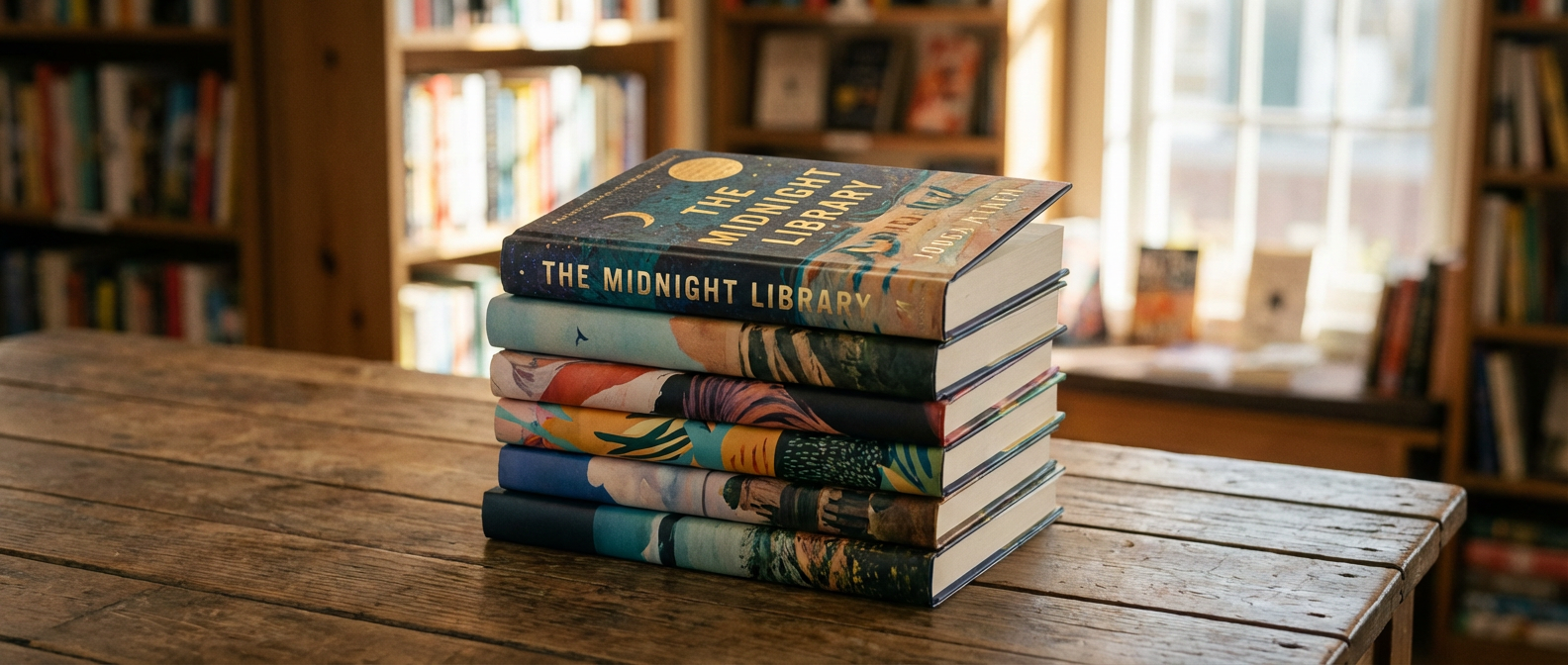
But then you find a debut that makes you forget it’s even a first novel. These rare books don’t just meet the hype, they make you understand why it existed in the first place. They remind us why we fell in love with reading, why we’re willing to risk disappointment again and again for the chance of finding something extraordinary.

Hanya Yanagihara’s Precision in Pain
When “A Little Life” came out in 2015, the literary world seemed to collectively hold its breath. Here was a 700-page debut about friendship, trauma, and the ways we carry each other through unimaginable darkness. The hype was immediate and intense, which made me skeptical. How could any first novel sustain that kind of emotional and structural ambition?
Then I read Yanagihara’s opening: “The elevator was one of those fearsome contraptions from the early decades of the twentieth century, a metal cage surrounded by a wrought-iron accordion gate that had to be collapsed by hand.” Look how she doesn’t start with character or setting in any conventional sense. She starts with an object that contains threat—”fearsome contraptions”—and the physical act of collapse. Every element of that sentence foreshadows what’s coming: the cage, the need for manual operation, the sense that old systems might trap or fail you.
Yanagihara writes with surgical precision about psychological wounds, never exploiting trauma for shock value but examining how it shapes and reshapes lives. Her sentences build with architectural care, each clause supporting the weight of what comes next. When critics called it “devastating” and “unforgettable,” they weren’t being hyperbolic. They were being accurate.
Ottessa Moshfegh’s Uncomfortable Truths
Nobody wanted to admit they loved “My Education” wasn’t actually Moshfegh’s debut—that honor belongs to “McGlue,” a slim, strange novella that announced a voice unlike anything in contemporary fiction. But it was “Eileen” in 2015 that made everyone pay attention, and for good reason. This is a writer who makes discomfort feel like revelation.
Consider this sentence from early in the novel: “I was not a likable person.” Five words that do more character work than most writers manage in five pages. Moshfegh doesn’t ease us into Eileen’s self-loathing or try to make her sympathetic. She presents it as fact, delivered with the kind of brutal honesty that makes you lean in despite yourself.
What made “Eileen” worthy of its National Book Critics Circle Award nomination wasn’t just Moshfegh’s willingness to write an unlikable narrator—plenty of debuts attempt that. It was her ability to make Eileen’s internal landscape so real that her ugliness becomes almost tender. The prose style mirrors this approach: spare, unflinching, occasionally beautiful in its refusal to beautify.
Tommy Orange’s Rhythmic Revolution
“There There” arrived in 2018 with enormous expectations. A debut novel about urban Native American experience, written by a relatively unknown author, being positioned as the next great American novel? The setup felt almost designed for disappointment. Instead, Orange delivered something that redefined what contemporary American fiction could sound like.
His opening section, “Remain,” begins: “Indian heads. Forget Kevin Costner. Forget Daniel Day-Lewis. Forget the Mohawk.” The staccato rhythm immediately establishes authority—these aren’t suggestions but commands. Orange doesn’t ask permission to tear down stereotypes; he simply does it, sentence by sentence, with the confidence of someone who knows exactly what story he’s telling and why it matters.
The novel’s structure mirrors powwow drumming, with individual voices building to communal rhythm. Orange writes in fragments that accumulate power, creating a mosaic of contemporary Indigenous life that feels both intimate and epic. When the various storylines converge at the Big Oakland Powwow, the collision feels both inevitable and shocking—proof of Orange’s architectural planning and emotional intelligence.
Critics called it “essential” and “transformative,” terms that often feel like marketing speak. But Orange earned those adjectives by writing with the kind of rhythmic sophistication that takes most novelists decades to develop. His sentences move like the best poetry, carrying meaning in their music as much as their content.
The Earned Hype Phenomenon
What sets these debuts apart isn’t just talent—though all three writers have it in abundance. It’s their understanding that every sentence must justify its existence. Yanagihara, Moshfegh, and Orange write with the precision of poets and the architectural vision of master builders. They’ve absorbed the lesson that many debut novelists miss: readers will forgive a lot, but they won’t forgive carelessness.
These books reward slow reading because their authors built them for readers who pay attention. Every word choice works toward the larger project. Every rhythm break and syntactic surprise has been earned through careful craft. When critics and readers respond with unusual enthusiasm, they’re responding to the rare experience of meeting writing that respects their intelligence and rewards their attention.
The next time you see a debut novel generating serious buzz, don’t let cynicism win automatically. Yes, most overhyped books disappoint. But occasionally, very occasionally, a first novel appears that reminds us why we fell in love with literature in the first place. These books don’t just deserve their hype—they change our understanding of what debut fiction can accomplish.
Have you found a debut novel that completely blindsided you with its brilliance? I’m always hunting for that perfect combination of ambition and execution that marks truly exceptional first books. Drop me a line and tell me what I should be reading next.