The New Cartographers: How Contemporary Science Fiction Maps Tomorrow’s Possibilities

Beyond the Wasteland: Climate Fiction Takes Center Stage

The scorched earth of classic dystopia is giving way to something more complex. Climate fiction has become the defining subgenre of science fiction in the 2020s, but it refuses the simple apocalypse narrative that dominated earlier environmental SF. These stories don’t just imagine collapse. They imagine adaptation, resistance, and the messy work of survival in a world already changed.

What makes contemporary cli-fi distinct is its refusal to treat climate change as future speculation. The genre operates from the premise that we’re already living in the changed world. Writers like Kim Stanley Robinson and Becky Chambers build narratives around communities creating new forms of resilience. The constraint here produces innovation: how do you tell stories about hope when the traditional frameworks for progress have broken down?

This shift reflects how science fiction has grown up in its approach to environmental themes. Earlier works often positioned nature as either pristine wilderness to be preserved or hostile force to be conquered. Climate fiction recognizes that we’re already past those binaries. The interesting stories happen in the space between catastrophe and recovery, where humans and more-than-human worlds negotiate new relationships.

Prestige and Experiment: The Literary Architecture of Modern SF

Ted Chiang and N.K. Jemisin represent two poles of contemporary science fiction’s literary ambitions. Chiang’s precise, mathematically elegant short fiction shows how speculative elements can illuminate fundamental questions about consciousness, free will, and meaning. His stories work like thought experiments, using SF concepts as philosophical tools rather than mere plot devices.

Jemisin’s epic fantasy-SF hybrids, meanwhile, show how worldbuilding can work as social critique. Her Broken Earth trilogy doesn’t just imagine different physics, it imagines different social structures, different relationships between power and knowledge. The constraint of creating coherent alien societies produces insights about our own world’s seemingly natural hierarchies.

Both writers use genre elements with purpose. They don’t deploy technology or magic as solutions to narrative problems. Instead, they explore how different material conditions might reshape human consciousness and community. This approach has earned them critical recognition that extends beyond genre boundaries, suggesting that SF’s experimental methods have broader literary value.

Solarpunk’s Green Machinery: Aesthetics as Resistance

While cyberpunk imagined futures dominated by corporate power and technological alienation, solarpunk offers a different aesthetic vocabulary. The movement centers sustainable technology, community cooperation, and integration between human settlements and natural systems. But solarpunk isn’t just optimistic environmentalism. It’s a response to the narrative constraints that cyberpunk established.

Cyberpunk’s neon-lit urban sprawl and corporate dystopia became so influential that it shaped how we imagine technological futures. Solarpunk deliberately works against those assumptions. Its green cities and cooperative networks suggest that technology doesn’t inevitably produce domination. The aesthetic choices (living architecture, renewable energy, horizontal organization) encode different political possibilities.

Independent publishers have been particularly important in developing solarpunk’s visual and narrative language. Strange Horizons speculative fiction and similar venues provide space for experimentation that larger publishing houses might consider too niche. The constraint of smaller audiences actually allows for more radical imagining. Writers can assume readers who want to think seriously about alternatives to current systems.

Digital Minds and Ancient Questions: AI Fiction’s Philosophical Turn

Artificial intelligence fiction has moved beyond robot rebellions and Turing test scenarios. Contemporary AI stories explore questions about consciousness, rights, and personhood that connect to broader philosophical traditions. What does it mean to be a thinking being? How do we recognize minds that don’t think like us?

This shift reflects real-world developments in machine learning and cognitive science, but also deeper changes in how we understand intelligence itself. Writers like Martha Wells and Becky Chambers create AI characters that aren’t human copies. They think differently, value different things, and have different relationships to embodiment and mortality.

The constraint of imagining genuinely alien intelligence produces stories that question human exceptionalism without necessarily privileging artificial minds. These narratives explore how different forms of consciousness might coexist and communicate. They suggest that intelligence might be more diverse and distributed than our assumptions allow.

Translation and Expansion: Global Science Fiction’s Growing Reach

Science fiction from China and Eastern Europe has found increasing English-language readership, bringing different cultural perspectives to familiar genre themes. Liu Cixin’s Three-Body trilogy introduced Western readers to Chinese SF’s distinctive approach to cosmic-scale storytelling. Writers like Stanislaw Lem and the Strugatsky brothers, long available in translation, have found new audiences alongside contemporary Eastern European voices.

These works often operate from different assumptions about individual agency, technological progress, and social organization. Chinese SF frequently explores collectivist responses to large-scale challenges, while Eastern European traditions bring deep skepticism about technological salvation. Tor.com SF culture and other venues have been key in bringing these perspectives to broader audiences.

The constraint of translation itself produces interesting effects. Stories must communicate across not just linguistic but cultural differences. This process often highlights the assumptions embedded in familiar SF tropes. What seemed universal reveals itself as culturally specific. The result is a more genuinely global conversation about possible futures.

Hard science fiction maintains its dedicated readership while character-driven speculative fiction attracts expanding audiences. This suggests that the genre’s future lies not in choosing between technical rigor and human drama, but in finding new ways to integrate both approaches. The most interesting contemporary SF uses scientific constraints to generate character development and explores how technological change reshapes emotional and social life. These cross-currents suggest continued innovation as writers discover what new combinations of elements might tell us about who we are and who we might become.


The Novel’s New Rules: How Literary Fiction Survives in a Transformed Landscape

The Platform Revolution That Publishers Didn’t See Coming

BookTok changed everything overnight. Social media influencers now drive more than a fifth of fiction sales across major publishing houses, completely flipping how books reach readers. This isn’t just about teenagers dancing with paperbacks. It’s about a complete inversion of literary gatekeeping, where a fifteen-second video can launch a novel faster than a starred review in Publishers Weekly industry news.

The ripple effects go way beyond marketing budgets. Publishers now chase viral moments instead of building long-term literary careers. Books get designed for platform-friendly aesthetics. Cover art mimics Instagram feeds. Plot structures bow to shorter attention spans.

But something interesting happens in all this chaos. Readers discover literary fiction through weird pathways. Donna Tartt gains new devotees. Sally Rooney becomes a household name. The algorithm doesn’t discriminate between commercial and literary work the way traditional publishing once did.

The Economics of Literary Risk

Publishing houses tighten their purse strings for debut novelists while chasing established names with bigger advances. This consolidation of risk appetite creates a brutal paradox for emerging literary voices. Publishers want guaranteed returns, but literary fiction thrives on uncertainty, on voices that challenge rather than comfort.

Meanwhile, genre fiction authors increasingly bypass traditional publishing altogether. Self-published writers in romance, fantasy, and mystery often outearn their traditionally published counterparts. They control their publishing schedules, maintain higher royalty rates, and build direct relationships with readers.

Literary fiction remains tied to traditional publishing prestige, but for how long? The economics suggest a reckoning approaches. When literary authors can reach readers directly and earn more money doing it, traditional publishing has to prove its worth or risk becoming obsolete.

Physical Books Find New Life in Unexpected Places

Barnes and Noble’s resurrection story gives me hope for literary fiction’s future. Under Elliott Management’s guidance, the chain added thirty new stores and refocused on what bookstores do best: smart curation. Physical browsing creates those random discoveries that algorithms struggle to replicate.

Independent bookstores never stopped championing literary fiction, but their reach stays limited. Barnes and Noble’s revival suggests that physical retail can coexist with digital platforms, each handling different aspects of reader behavior. Bookstores excel at introducing readers to unexpected authors. Online platforms excel at delivering known quantities quickly.

This retail renaissance coincides with younger readers rediscovering physical books. The same generation that drives BookTok also values tangible objects in an increasingly digital world. Literary fiction benefits from this trend more than other genres because it’s often designed for slower, more thoughtful consumption.

The Digital Lending Wars and Literary Access

Publishers and libraries remain locked in bitter disputes over e-book lending that started during the pandemic and show no signs of stopping. Libraries want to help patrons with digital copies. Publishers fear that unlimited lending kills sales. Literary fiction sits caught in the middle of this economic warfare.

The stakes matter enormously for literary authors whose sales numbers often determine whether publishers offer future contracts. Every library loan equals a potential lost sale, publishers argue. Every restricted e-book equals reduced access to literature, librarians counter.

This conflict reveals a deeper tension about literature’s role in society. Should books be treated as commercial products first, or cultural goods that deserve broad access? The answer shapes whether literary fiction remains available to readers regardless of economic status.

Prize Culture and the Homogenization Problem

Literary prizes supposedly celebrate excellence, but critics increasingly question whether they create a narrow definition of worthwhile fiction. Prize committees gravitate toward similar themes, structures, and voices. The result looks more like an echo chamber than a celebration of literary diversity.

This homogenization extends beyond individual prizes to the entire literary ecosystem. Book reviewers reference prize winners when evaluating new work. Publishers acquire manuscripts that resemble recent winners. Readers develop expectations based on previous prize selections.

Yet prizes remain crucial for literary fiction’s visibility in a crowded marketplace. Literary Hub book culture continues to thrive partly because prizes create talking points and shared cultural moments. The challenge lies in expanding rather than restricting the definition of prize-worthy literature.

The novel survives by adapting, as it always has. Digital platforms create new readers even as they challenge traditional publishing models. Economic pressures force innovation in how literary fiction reaches audiences. Physical and digital retail spaces find complementary rather than competitive roles.

These changes require active participation from readers who care about literary fiction’s future. Support debuts alongside established authors. Discover books through multiple channels rather than relying on single sources. Engage with your local library’s collection development while buying books from independent stores. The novel’s health depends on a diverse ecosystem of readers, writers, and intermediaries working together rather than in isolation.

Follow the Money: Where Independent Authors Actually Make Bank in Genre Fiction

Romance Rules Everything Around Me

Let’s cut to the chase. Romance dominates the fiction landscape, claiming more than a quarter of all novel sales in the United States. This isn’t just a trend—it’s a market reality that independent authors ignore at their own financial peril. The numbers don’t lie, and neither should your publishing strategy.

But here’s where it gets interesting for indie authors. Romance readers are voracious consumers who actively seek new voices and aren’t bound by traditional publishing gatekeepers. They’ll discover you through book blogs, social media recommendations, and word-of-mouth faster than any marketing campaign could dream of reaching them. The genre rewards consistency, series thinking, and direct reader engagement, all areas where independent authors can outmaneuver traditional publishers.

The romance umbrella covers dozens of profitable subgenres. Contemporary romance, historical romance, paranormal romance. Each has dedicated readerships willing to pay premium prices for quality content. Smart indie authors aren’t just writing romance; they’re building romance empires, one satisfied reader at a time.

The Romantasy Revolution Is Your Golden Ticket

BookTok has created a monster, and that monster’s name is romantasy. This romance-fantasy hybrid is the fastest-growing segment in genre fiction, driving unprecedented engagement across social media platforms in 2024 and 2025. Young readers are devouring books that blend swoony romance with magical worldbuilding, creating a perfect storm of commercial opportunity.

What makes romantasy particularly attractive for independent authors is its visual marketing potential. These books photograph beautifully, inspire fan art, and generate the kind of passionate reader engagement that translates directly into sales. The Publishers Weekly genre coverage consistently highlights romantasy titles breaking into mainstream bestseller lists, many authored by writers who started as independents.

The key insight here isn’t just to write romantasy—it’s to understand why readers love it. They want emotional satisfaction wrapped in escapist fantasy. They want characters who face real relationship challenges alongside mythical creatures and magic systems. Give them both, and you’ve got a formula for sustainable income.

Comfort Reads Are Comfort Profits

In an increasingly chaotic world, readers are gravitating toward genres that offer psychological safety nets. Cozy mysteries and cozy fantasy are experiencing remarkable growth as audiences seek stories that entertain without traumatizing. These genres are reliable income streams for authors who master their particular rhythms and reader expectations.

Cozy mysteries operate on familiar patterns: amateur sleuths, quirky small-town settings, minimal violence, and puzzles that readers can solve alongside the protagonist. The formula might seem restrictive, but it’s actually liberating for indie authors. Readers know what they want, and they’ll reward authors who deliver it consistently. Series potential is enormous, and loyal readerships develop quickly when you nail the cozy mystery sweet spot.

Cozy fantasy follows similar principles but swaps murder mysteries for magical adventures in low-stakes environments. Think coffee shop witches and village bakers who accidentally save kingdoms. The appeal lies in magical escapism without the existential dread that runs through darker fantasy. For independent authors, this means building readerships that will follow you book after book, seeking that same warm feeling your stories provide.

Both genres thrive on community engagement. Readers discuss favorite series, recommend new discoveries, and actively participate in author-reader relationships. This direct connection is indie publishing’s greatest advantage over traditional houses—you can build personal relationships with your audience that translate into long-term financial stability.

Controversy Sells, But Strategy Matters More

Dark romance walks a tightrope between outrage and obsession, generating both record sales and heated debates about content boundaries. This subgenre proves that controversy, when handled skillfully, can become a powerful marketing engine. Independent authors in this space are discovering that readers hungry for edgy content will seek them out specifically because traditional publishers shy away from their boldest material.

The financial success of dark romance reveals something important about modern readers—they want authentic emotional experiences, even uncomfortable ones. They’re tired of sanitized content and drawn to authors brave enough to explore psychological complexity. For indie writers willing to push boundaries thoughtfully, this is untapped earning potential.

Success in dark romance requires understanding your audience deeply and marketing responsibly. Clear content warnings aren’t just ethical necessities—they’re business strategies that help the right readers find your work while protecting those who shouldn’t engage with it. The Alliance of Independent Authors resources offers valuable guidance on navigating sensitive content marketing.

Gaming Culture Meets Publishing Gold

LitRPG and progression fantasy emerged from webfiction communities and are rapidly claiming mainstream territory. These genres blend gaming mechanics with traditional storytelling, attracting readers who understand leveling systems, skill trees, and character progression in ways that translate perfectly to narrative fiction. Independent authors who understand gaming culture have first-mover advantages in this expanding market.

What makes these genres particularly profitable for indies is their built-in series potential and engaged online communities. Readers expect long-form storytelling with measurable character growth—exactly the kind of content that builds sustainable author careers. The audience actively seeks new voices and isn’t dependent on traditional publishing discovery mechanisms.

Audiobook consumption drives significant revenue in these genres, with year-over-year growth exceeding twenty percent for genre fiction audio content. Readers often consume LitRPG and progression fantasy while gaming, commuting, or multitasking, making audio format adoption necessary for maximizing income potential. The investment in professional narration pays dividends through enhanced reader engagement and expanded market reach.

Your Next Move in the Genre Fiction Game

The evidence is clear—genre fiction is the most reliable path to independent author profitability. But success requires strategic thinking beyond just choosing profitable genres. You need to understand reader psychology, community dynamics, and market positioning to transform writing talent into sustainable income.

Which of these genres speaks to your creative instincts while aligning with your financial goals? The most successful independent authors don’t chase trends—they find the intersection between personal passion and market demand, then commit to mastering their chosen territory.

The Reading List Argument: Genre fiction markets — where the money is for independent authors

Here is the thing I keep coming back to on this. The topic of genre fiction markets, where the money is for independent authors, deserves more careful attention than the typical coverage provides. The reason isn’t complicated once you know where to look.

What I find most interesting, and I think you will too, is how the romantasy hybrid genre is driving the fastest growth on BookTok in 2024-2025. The honest read of the situation is also the more accurate one once you examine what the evidence actually shows.

The Pathway: Setting the Terms

Romance accounts for over 25 percent of all fiction sold in the US. This isn’t just a data point in the story of genre fiction markets where the money is for independent authors. It’s the structural condition that makes everything else in this analysis make sense. Context like this doesn’t age quickly. The conditions that produced it have been building for years, and this convergence is what makes the current moment different from previous moments that looked similar from a distance.

Romantasy hybrid genre is driving the fastest growth on BookTok in 2024-2025.

Cozy mystery and cozy fantasy are growing as readers seek comfort reads. Publishers Weekly genre coverage has been tracking this trend consistently.

What makes this moment worth examining carefully isn’t the novelty but the confirmation. The underlying dynamics have been visible for some time. What’s new is that they’ve reached a threshold where ignoring them requires active effort rather than simple inattention. That threshold crossing is the event, not the underlying movement that produced it.

And dark romance subgenres are generating controversy and record sales simultaneously. This is part of that same picture. These elements don’t exist in separate silos, they’re reinforcing conditions in the same structural shift.

The Reading List Argument: The Analysis

Dark romance subgenres generating controversy and record sales simultaneously is where the analysis gets more specific. The surface reading is accessible and not wrong, but it misses the mechanism. And the mechanism is where the practical insight lives. What I find most interesting, and I think you will too, is that LitRPG and progression fantasy niches are growing from webfiction audiences to mainstream. Understanding this changes what you do with the information.

The audiobook market for genre fiction is growing 20 percent year-over-year.

The skeptical counterargument deserves honest engagement: prior moments with similar surface characteristics didn’t produce the outcomes that seemed logical at the time. That history is real. What’s different now is the audiobook market for genre fiction growing 20 percent year-over-year, which isn’t a minor variable. It’s the infrastructure condition that previous cycles lacked. Infrastructure changes tend to be persistent in ways that sentiment-driven changes are not. Alliance of Independent Authors resources is one source tracking this dimension with the rigor it requires.

There’s also a distributional question that often goes unaddressed in coverage of genre fiction markets where the money is for independent authors: who captures the value created by these shifts, and who absorbs the disruption costs? The aggregate picture can be positive while the distribution is uneven in ways that matter enormously to specific participants. Keeping that distributional lens in view is part of reading the situation clearly rather than simply optimistically.

Implications: What This Means If You Care About Reading paths for specific goals

The implications of genre fiction markets where the money is for independent authors extend beyond the immediate context. Romance accounts for over 25 percent of all fiction sold in the US, combined with the structural conditions described above, creates a situation where adjacent fields, decisions, and communities are affected in ways that aren’t always visible from inside the primary story. The second-order effects are frequently more important than the first-order ones. They’re where careful attention pays the highest returns.

Think about the bookish friend whose recommendations always land.

The practical question isn’t whether to engage with these dynamics but how. The answer depends on context, on what role you occupy relative to genre fiction markets where the money is for independent authors, and what your actual decision horizon is. But the first step is the same regardless: accurate understanding of what’s actually happening rather than what the most available narrative says is happening.

A few concrete observations are worth separating out from the broader analysis. First: romantasy hybrid genre driving the fastest growth on BookTok in 2024-2025 isn’t a temporary condition. It’s a new baseline. Second: LitRPG and progression fantasy niches growing from webfiction audiences to mainstream suggests that the adjustment period isn’t over. Third, and most important: the organizations and individuals who are treating the current moment as a new steady state rather than a transition are making a categorization error that will be costly to unwind later.

The Case Against: What the Critics Get Right

Intellectual honesty requires acknowledging the strongest counterarguments, not just the weakest ones. The case against the optimistic reading of genre fiction markets where the money is for independent authors isn’t trivial. There are structural vulnerabilities in the current picture that deserve direct engagement rather than dismissal.

The most serious objection is the one about sustainability. Cozy mystery and cozy fantasy growing as readers seek comfort reads can be read not as a foundation but as a ceiling, a point beyond which growth becomes self-limiting because of the very dynamics that produced it. If the current state has already incorporated most of the available supply of early-adopting participants, the remaining growth curve may be structurally shallower than the recent trajectory implies.

The audiobook market for genre fiction is growing 20 percent year-over-year.

Looking Forward

The trajectory here is clearer than the pace. Making predictions about when specific thresholds will be crossed is genuinely difficult, and anyone claiming precision about timelines should be treated with skepticism. But the direction, toward romance accounts for over 25 percent of all fiction and continued development of the conditions described above, is supported by the evidence in a way that isn’t contingent on a single variable going right.

The audiobook market for genre fiction growing 20 percent year-over-year is the variable to watch as the leading indicator. Historical patterns suggest it moves first, with broader metrics following with some lag. This doesn’t make the outcome certain, but it makes it legible. And legibility is the precondition for good decisions.

Three questions are worth holding as the story develops. First: are the structural conditions that enabled the current state durable, or are they cyclical? Second: who is positioned to benefit from the next phase, and does that differ materially from who benefited in the current phase? Third: what would a clean falsification of the optimistic thesis look like, and is there any evidence of that signal emerging? These questions don’t need answers today, but having asked them changes what you notice in the months ahead.

That’s my read. I want to hear yours.

What’s missing from this list, and where would you insert it?

Non-fiction and the essay revival — An Honest Cross-genre

Here is the thing I keep coming back to on this. The topic of non-fiction and the essay revival rewards more careful attention than the typical coverage provides, and the reason is not complicated once you know where to look.

What I find most interesting, and I think you will too, viewed through cross-genre criticism, is Substack enabling direct essay monetisation for thousands of writers. The comparative read of the situation is also the more accurate one once you examine what the evidence actually shows.

Non-fiction and the essay revival — An Honest Cross-genre

The Criticism: Setting the Terms

Essay collections outperforming narrative non-fiction on debut author terms isn’t just a data point in the story of non-fiction and the essay revival. It’s the structural condition that makes everything else in this analysis make sense. Context like this doesn’t age quickly. The conditions that produced it have been building for years. The convergence is what makes this moment different from previous ones that looked similar from a distance.

Substack enabling direct essay monetisation for thousands of writers.

Longform journalism from The Atlantic and New Yorker generating book deals. The Paris Review essays has been tracking this dimension consistently.

What makes this moment worth examining carefully isn’t the novelty but the confirmation. The underlying dynamics have been visible for some time. What’s new is that they’ve reached a threshold where ignoring them requires active effort rather than simple inattention. That threshold crossing is the event, not the underlying movement that produced it.

And micro-memoir and flash non-fiction growing as digital-native formats is part of that same picture. These elements don’t exist in separate silos. They’re reinforcing conditions in the same structural shift.

The Genre Cross-Read: The Analysis

Micro-memoir and flash non-fiction growing as digital-native formats is where the analysis gets more specific. The surface reading is accessible and not wrong, but it misses the mechanism. And the mechanism is where the practical insight lives. What I find most interesting, and I think you will too, is that the mechanism is annotated editions and critical apparatus gaining commercial viability. Understanding it changes what you do with the information.

Audio-first books designed for listening rather than reading are increasing.

The skeptical counterargument deserves honest engagement. Prior moments with similar surface characteristics didn’t produce the outcomes that seemed logical at the time. That history is real. What’s different now is audio-first books designed for listening rather than reading increasing, which isn’t a minor variable. It’s the infrastructure condition that previous cycles lacked. Infrastructure changes tend to be persistent in ways that sentiment-driven changes are not. Longreads best non-fiction is one source tracking this dimension with the rigour it requires.

There’s also a distributional question that often goes unaddressed in coverage of non-fiction and the essay revival: who captures the value created by these shifts, and who absorbs the disruption costs? The aggregate picture can be positive while the distribution is uneven in ways that matter enormously to specific participants. Keeping that distributional lens in view is part of reading the situation clearly rather than simply optimistically.

Implications: What This Means If You Care About Literary vs genre on the same theme

The implications of non-fiction and the essay revival extend beyond the immediate context. Essay collections outperforming narrative non-fiction on debut author terms combined with the structural conditions described above creates a situation where adjacent fields, decisions, and communities are affected in ways that aren’t always visible from inside the primary story. The second-order effects are frequently more important than the first-order ones, and they’re where careful attention pays the highest returns.

The bookish friend whose recommendations always land.

The practical question isn’t whether to engage with these dynamics but how. The answer depends on context, on what role you occupy relative to non-fiction and the essay revival and what your actual decision horizon is. But the first step is the same regardless: accurate understanding of what’s actually happening rather than what the most available narrative says is happening.

A few concrete observations are worth separating out from the broader analysis. First: Substack enabling direct essay monetisation for thousands of writers isn’t a temporary condition. It’s a new baseline. Second: annotated editions and critical apparatus gaining commercial viability suggests that the adjustment period isn’t over. Third, and most important: the organisations and individuals who are treating the current moment as a new steady state rather than a transition are making a categorisation error that will be costly to unwind later.

The Case Against: What the Critics Get Right

Intellectual honesty requires acknowledging the strongest counterarguments, not just the weakest ones. The case against the optimistic reading of non-fiction and the essay revival isn’t trivial. There are structural vulnerabilities in the current picture that deserve direct engagement rather than dismissal.

The most serious objection is the one about sustainability. Longform journalism from The Atlantic and New Yorker generating book deals can be read not as a foundation but as a ceiling, a point beyond which growth becomes self-limiting because of the very dynamics that produced it. If the current state has already incorporated most of the available supply of early-adopting participants, the remaining growth curve may be structurally shallower than the recent trajectory implies.

Audio-first books designed for listening rather than reading are increasing.

Looking Forward

The trajectory here is clearer than the pace. Making predictions about when specific thresholds will be crossed is genuinely difficult, and anyone claiming precision about timelines should be treated with scepticism. But the direction, toward essay collections outperforming narrative non-fiction on debut authors and continued development of the conditions described above, is supported by the evidence in a way that doesn’t depend on a single variable going right.

Audio-first books designed for listening rather than reading increasing is the variable to watch as the leading indicator. Historical patterns suggest it moves first, with broader metrics following with some lag. This doesn’t make the outcome certain, but it makes it readable. And readability is what you need for good decisions.

Three questions are worth holding as the story develops. First: are the structural conditions that enabled the current state durable, or are they cyclical? Second: who is positioned to benefit from the next phase, and does that differ materially from who benefited in the current phase? Third: what would a clean falsification of the optimistic thesis look like, and is there any evidence of that signal emerging? These questions don’t need answers today, but having asked them changes what you notice in the months ahead.

That’s my read. I want to hear yours.

Which approach do you think gets closer to the truth of the subject?

Readmt — A Life in Books

Readmt — A Life in Books

Reviews, recommendations, and essays for serious readers.

Books deserve better than star ratings and summary paragraphs. We write about what we’re reading — novels, essays, history, science, poetry — with the kind of engagement that treats literature as it should be treated. Not as content to consume, but as art to consider.

Topics we cover: Fiction · Nonfiction · Essays · Poetry · Graphic Novels · Interviews

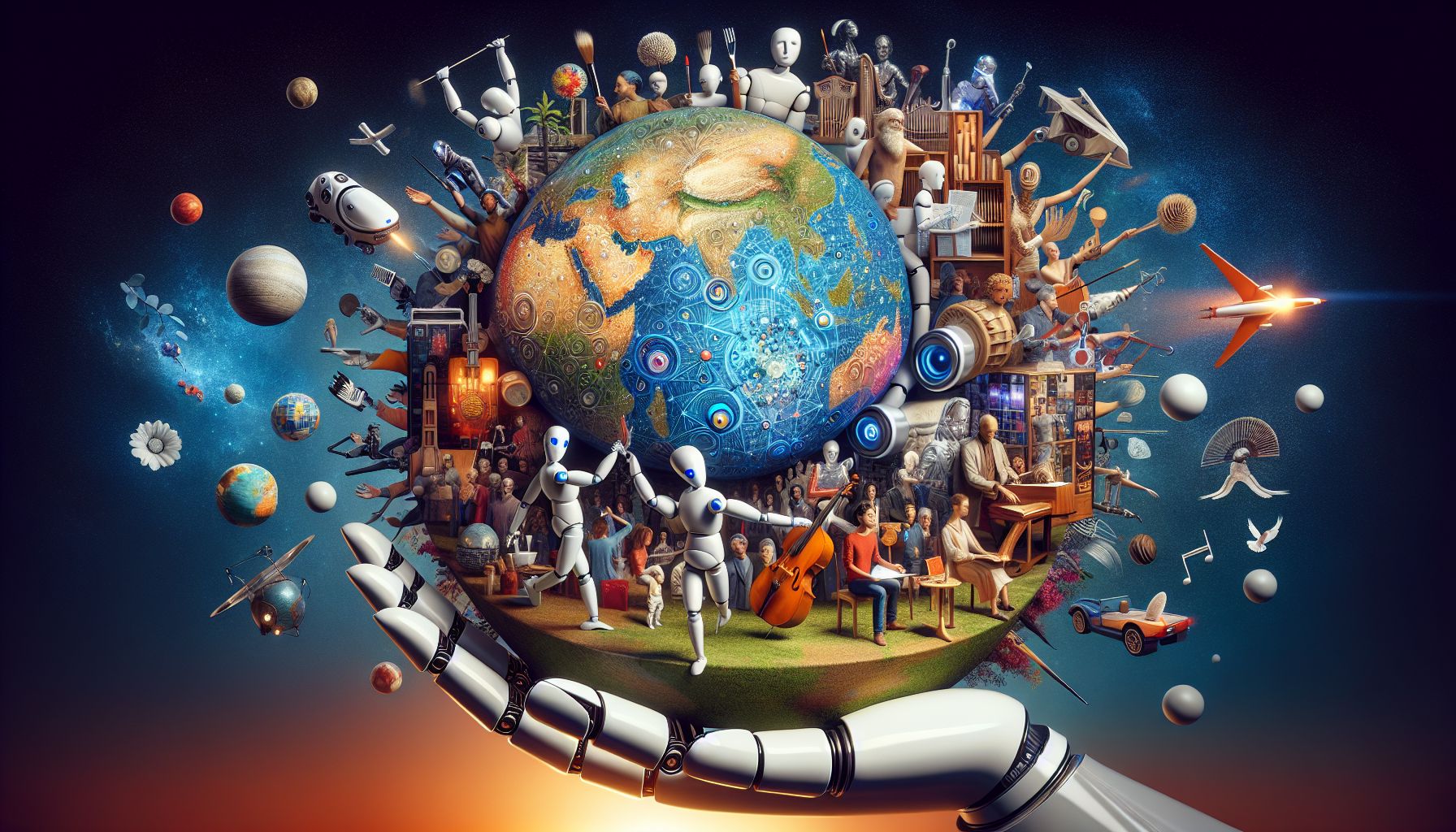
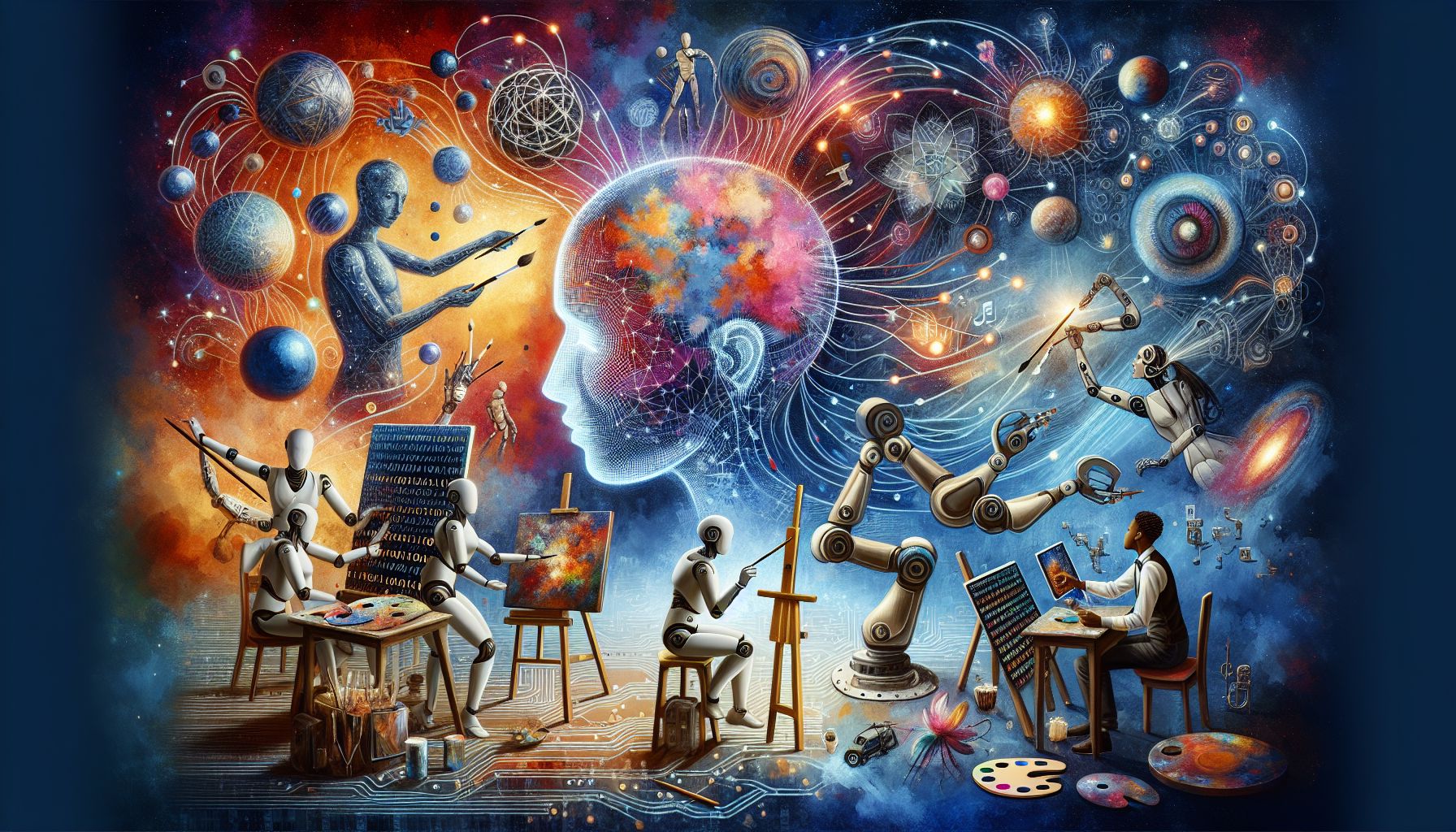
A Brave New World of Creativity: AI in the Creative Arts

Hey, fellow tech enthusiasts! Gather ’round because today we’re diving into something that’s been sparking endless debates, igniting imaginations, and fundamentally shaking up the world of creativity — Artificial Intelligence in the Creative Arts. Yep, we’re talking about machines messing with the canvas and pen, stitching together symphonies and scripts. To some, it sounds like sacrilege. To others, it’s a techno-utopian dream coming true. Let’s explore why AI in the creative realm has got nerds and artists alike all hyped up.

The Brush Strokes of Algorithms

Before you snort and dismiss AI as some sort of rigid code nitpicking pixel arrangements, have you seen what projects like DALL-E and Midjourney are pulling off? These clever algorithms are playing Picasso on steroids. Seriously, type in “a flamingo dancing the tango with a robot” and watch as your screen becomes a quirky masterpiece. It’s not just about copying existing styles, it’s about generating completely new ones — a fresh perspective from an inhuman mind.

It all starts with the neural networks that “learn” from massive sets of visual data. Companies like OpenAI have been leading this revolution, and their creations have left many of us genuinely surprised. We’re watching machines grasp style, form, and thematic details with artistic skill that really challenges what we think creativity is.

Composing the Symphony of Tomorrow

Art isn’t the only medium feeling the AI shift. Look at how AI is tickling the ivories in music production. Imagine a virtual Beethoven crossed with Daft Punk, hammering out mystical melodies for your earbuds. Companies like AIVA (Artificial Intelligence Virtual Artist) are leading the charge here, crafting original music that’s already found its way into film soundtracks and advertisements. These aren’t bland, toneless tunes but emotional compositions that have folks tapping their feet and losing themselves in harmonies.

The benefit is twofold — musicians get a valuable tool that can inspire collaboration and creation, while producers cut down on repetitive tasks, focusing on the human touch that makes music resonate. Here, AI acts like a magnifying glass, guiding intention and boosting potential.

Scriptwriting Sorcery

Hold onto your screenwriting hats because AI’s got the creative writing sector in a bit of a tizzy. Last year, a group of Harvard scientists challenged an AI to complete Shakespeare’s unfinished “Edward III” — a task like asking a toddler to build LEGO Hogwarts blindfolded. Yet, in a twist worthy of a Hollywood plot, the machine churned out verse after heart-wrenching verse, matching ye olde Bard’s style with eerily poetic precision.

For aspiring screenwriters staring down blank pages, AI can work as a creative co-pilot. Tools stemming from breakthroughs by institutions like MIT are providing plot suggestions, character outlines, and alternative story arcs. So, while we’re not at the stage where Oscar-nominated scripts are machine-crafted, AIs are becoming influential brainstorming buddies that encourage human creativity to reach unexpected heights.

Implications: The Ethical Canvas

Now, before we go full “Starry Night” on AI, we need to throw some skepticism on this techno-colored parade. The ethical implications of AI artistry are vast and messy. Remember the outcry over AI-generated art entries in competitions or debates on whether AI should share artistic credits with its human partners? It’s the Wild West when it comes to ownership and originality.

There’s also the concern over job displacement that every new technology wrestles with. Yet, as history has shown, technology that changes industries often opens up new paths and opportunities. It doesn’t just close doors, it builds more of them. It’s about making AI work as a tool, not as a replacement.

Peering Into the Future: Machine-aided Masterpieces

Predicting where this AI revolution will take us feels like trying to read a book with most pages yet to be written. However, we can indulge in a bit of speculation. Imagine a not-so-distant future where AI systems and creative humans form partnerships. We’re talking about real-time art collaborations where a painter’s brush moves in sync with AI-powered projections, or musicians who improvise with an AI band member in live performances.

Plus, accessibility could reach new heights. Aspiring creators from all walks of life, regardless of resources and background, could wield tools previously exclusive to professionals. Making art more democratic this way ensures that creativity becomes even more inclusive.

Conclusion

So, love it or loathe it, AI’s intrusion into the creative arts is genuinely transformational. We’re watching the beginning of a new era in artistry — one that invites us to rethink what art, music, and stories can become when freed from traditional constraints. For now, it’s all about exploration and experimentation. And honestly, with every pixel, beat, and line, it feels a bit like opening a present you didn’t know you wanted.

Thanks for reading, folks! I’d love to hear your thoughts on this intersection of technology and creativity. Could AI best Da Vinci or hit a musical home run with the Beatles by its side? Drop your musings, and let’s make this a colorful dialogue!

Navigating the Next Frontier: AI in Creative Arts

Hey, fellow tech enthusiasts! Today, we’re diving into something that’s transforming the world right under our noses—Artificial Intelligence in creative arts. It’s the kind of breakthrough that makes you say, “We’re living in the future,” which, let’s be honest, we all secretly love to say. So, grab your favorite cup of Joe, snuggle into your gaming chair, and let’s unravel how AI is painting new colors onto the creative canvas. Spoiler: It’s like Bob Ross but with algorithms.

The Intersection of Bytes and Brushes

You know that moment when you hear a song or see a piece of art, and something, somewhere inside you clicks? Well, imagine an AI can now generate those masterpieces—music pieces that give you goosebumps or paintings that stir emotion. AI in creative arts isn’t just about producing art; it’s about reshaping what we consider possible in both how and who creates art.

AI as the Co-pilot, Not the Pilot

There’s a common fear that AI will replace human creativity. It’s easy to picture a dystopian art world where robots churn out Shakespearian-level sonnets by the minute. But AI isn’t really about ditching the human touch; it’s about enhancing it. Think of AI as a creative partner, a co-pilot riding shotgun. Take Google’s DeepDream for instance. This neural network doesn’t just mimic human creativity; it becomes a muse, inviting artists to collaborate and explore unexpected pathways.

Case Study: Music and AI

Have you caught wind of OpenAI’s Jukebox? It’s this mind-blowing neural net that churns out complete songs in the styles of various genres and artists. And we’re not talking ringtone-level simplicity here. Jukebox creates complex compositions that wouldn’t be out of place on a Spotify playlist. Musicians are using this technology to experiment, composing pieces they might never have conceived on their own.

Where Logic Meets Imagination

AI isn’t just a tool. It’s like the coolest new band member who’s been classically trained yet has a penchant for edgier stuff. It’s that guy who can play both Bach and Post Malone at whim.

The Creative Process: Enhanced

Companies like RunwayML are building AI tools that artists use to enhance their workflow. Ever thought about writing your great novel but struggled with outlining or editing? That’s where AI like Sudowrite comes in. It can help brainstorm ideas or even provide alternative narrative paths you may not have considered.

In visual arts, projects like Artbreeder allow artists to manipulate pin-point details of an image. You can literally morph hundreds of images through genetic algorithms to create something truly novel. AI helps multitask and speed up time-consuming processes, leaving more room for spontaneous creativity.

Ethical Debates and Copyright Quandaries

Of course, it isn’t all rainbows and unicorns when it comes to AI in creative arts. Questions around ethics and intellectual property swarm this tech frontier like mosquitoes on a warm summer night. Who owns these AI-generated creations? The programmer? The AI software company? The machine itself?

Navigating the Gray Areas

In real-world applications, companies like OpenAI are treading carefully. They frequently iterate and update their models to balance accessibility with ethical implications. For instance, restrictions on AI-generated content are subject to constant debate in legal circles, so much so that future regulations may end up reshaping this exciting new ecosystem.

A Snapshot of What’s Next

The road ahead? It’s going to be wild. AI will continue to evolve, blurring the lines between machine and human creativity even further. We might witness the birth of entirely new art forms, fueling our imagination, igniting our emotions, and prompting us to question the very essence of what it means to be human.

Possible Futures (Speculation Alert!)

Germany recently launched a two-year project called “AI x Music”. It explores intersections where AI generates compositions that musicians can then manipulate. Imagine a world where concerts are algorithmically dynamic, ever-evolving and never the same performance twice. Similarly, the Metaverse could house entire museums filled with AI-curated, ever-updating exhibits, open to global tours.

Conclusion: Welcome to the Renaissance 2.0

We stand on the edge of a new Renaissance, one where technology and creativity dance together in a splendidly digital waltz. While AI is an undeniably potent tool, its true magic lies in collaboration, existing as an extension of our complex human brains. So, whether you’re a composer, writer, artist, or a simple tech dabbler like yours truly, now is the time to dive into and become a part of this incredible AI-powered artistic revolution.

Until next time, keep exploring, creating, and wondering. AI isn’t the future. We are, together.

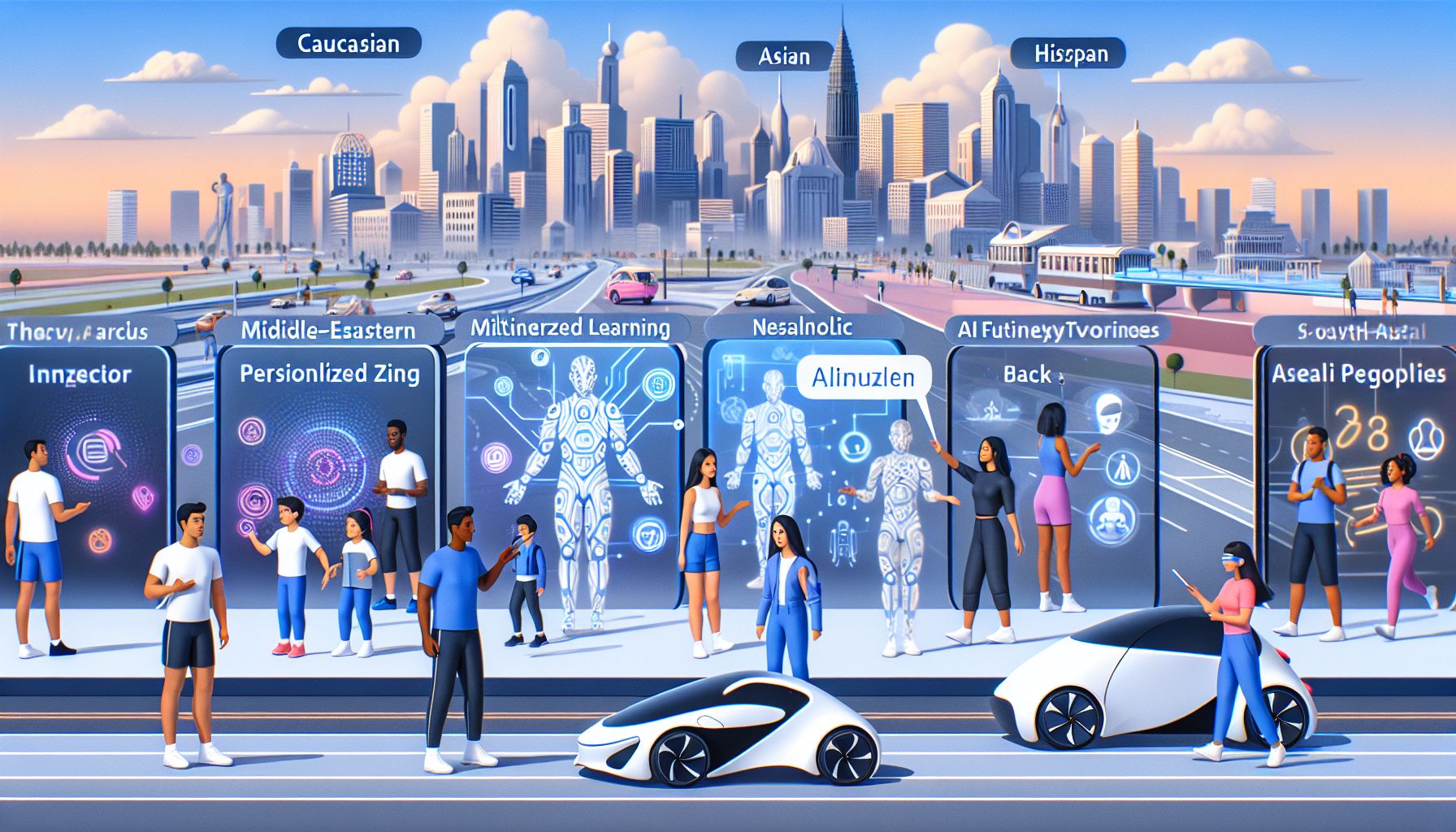
The Future is Personal: How AI is Customizing Our Lives in Unbelievable Ways

Hey tech aficionados! Ever wake up in the morning, groggy and grumpy, just in time to remember the rush hour traffic waiting for you? Imagine if, instead, you woke up to a customized alarm, a gentle nudge of music adjusted perfectly to your mood, and a smart fridge that brews you the exact coffee your taste buds crave at that moment. Imagine no more! Artificial Intelligence is not just knocking on our doors, it’s redecorating homes while it’s at it. Today, let’s dive into how AI is making our lives so incredibly personal, one algorithm at a time.

AI: Your New Best Friend

Remember the times when you chatted with your snack vending machine as if it were your new buddy (no? Just me?). Well, those whimsical dreams might not be too far off. AI is turning into that friend who knows exactly what you need and when you need it. The secret sauce here is personalization, and it’s changing how we interact with everything from our playlists to our medical diagnoses.

Personalized Recommendations

It’s not just Netflix telling you what to watch anymore. We’re way past that! Imagine an AI that learns not just your movie preferences but your mood swings, your stressed-out workdays, and your lazy Sundays. Spotify, Amazon, and even those obscure eBook platforms use machine learning models to make personalized recommendations smarter. Have you noticed how some shopping sites curiously pop up with “things you might love”? Well, it’s not mind-reading, but it may as well be!

Digital Personal Assistants

Remember when a personal assistant meant having a real human getting your coffee and picking up your dry cleaning? Today, gadgets like Amazon’s Alexa, Apple’s Siri, and Google’s Assistant have evolved into digital aides that do something even better. They predict our needs in ways humans can’t. They’re learning from every interaction and, honestly, sometimes surprising me with their proactiveness. The other day, Google Assistant reminded me to bring an umbrella before I even realized it was going to rain. Now, that’s some futuristic ESP!

Healthcare Gets a Personal Touch

Okay, I admit, I’ve always believed doctors have crystal balls to foresee our health problems. But now, AI is stepping up with its predictive algorithms. From fitness trackers to sophisticated AI that helps diagnose diseases by scanning thousands of medical reports in minutes, the health industry is turning out to be the ultimate science fiction playground.

Preventive Healthcare

Imagine getting a text that says, “Howdy! Based on today’s biometric readings, how about skipping the pizza and opting for a salad instead?” Devices like your smartwatch collect detailed health data and feed it into vast neural networks designed to catch health issues before you even feel them. This is like having a personal doctor on standby 24/7, minus the judgmental glances.

Personal Medicine

Ever find that regular medications don’t always work the same for everyone? AI’s latest venture is into pharmacogenomics, where it sifts through your genetic makeup to determine the best drug and dosage. Personalized medicine is not just a buzzword, it’s happening as we speak. Tech giants invest in startups that focus on this aspect, aiming for tailor-made treatments that cater specifically to your genome.

The Creative Revolution

Spurred by AI’s encroachment into creativity, I’m sometimes worried about becoming obsolete! Whether it’s composing symphonies or creating incredible artworks, AI is turning non-human creativity into something pretty amazing.

Music and Art Go AI

The AI composer, Amper Music, creates tracks not just for elevator music enthusiasts, while artists like Taryn Southern collaborate with AI to release pop albums that are eerily catchy. Platforms like OpenAI’s DALL-E generate images that playfully dance between ‘What is Art?’ and ‘Okay, AI, that’s downright impressive!’ The creative bootcamp has just welcomed a whole new sentient team member.

Intelligent Storytelling

There’s a growing number of fiction authors collaborating with AI tech to push the boundaries of storytelling. While I’d love to entirely dissociate from inviting machine intelligence into my creative bubble, the thought of co-authoring with an algorithm that knows every classic storyline is oddly intriguing. You think you know plot twists? AI’s got surprises up its binary sleeves that are unpredictably heart-stopping.

Not So Rosy Picture: Challenges Ahead

Is this utopia? It might seem so, but as usual, I can hear the dejected murmurs from privacy advocates and doom-proclaiming skeptics. AI personalization comes with a Pandora’s box stuffed with ethical dilemmas.

Privacy Concerns

With AI inching deeper into our everyday lives, data privacy is more important than ever. It’s like your boss knowing when you skipped gym day for extra fries! Regulators and tech companies will have to walk a very fine line between offering useful personalization and intruding on personal space. It’s a relentless race to create solutions that respect consent while offering more detailed control over shared data.

Bias in Algorithms

The other crazy beast in the room: algorithmic bias. AI systems can inadvertently include biases from the datasets they’re trained on, leading to skewed recommendations and prejudiced insights. Fixing this involves a more diverse, unbiased dataset along with constant iterations on the algorithms. Because AI learning that pineapple on pizza is universally liked would legitimately be my worst nightmare!

Final Thoughts

I’d say we’re a lucky generation, witnessing AI becoming this integral part of our lives. Where we go from here will heavily depend on how we manage to shape its influence. Are we on a path to a gloriously customized future, or are we sneaking towards a Black Mirror episode? As with every tech, the ramifications are endlessly intriguing and incredibly promising.

For now, I’m going to ask my smart speaker to play some lo-fi beats for me while I recharge! Until next time, surf the grid wisely!

Beyond the Hype: The Real Deal with Quantum Computing

Ah, quantum computing! It’s one of those topics that makes the heart skip a beat and the mind race with all manner of futuristic possibilities. If you’re a tech enthusiast like me, you’ve probably got your metaphorical popcorn ready as we stand on the brink of what could be a techno-utopian wonderland. Today, we’re diving deep into the wild world of quantum computing. Grab a drink, settle in, and let’s figure out this puzzle together.

Welcome to the Quantum Circus

I remember the first time I heard about quantum computers. It felt as if someone had handed me a Rubik’s cube with invisible colors. You see, classical computers are like bikes on a highway, straightforward, often reliable, and relatively easy to predict. Quantum computers, on the other hand? Think warp drives on a spaceship navigating a kaleidoscope-filled wormhole. Seriously trippy, right?

Classical computers use bits as the smallest units of data, and these bits can be either a 0 or a 1. Simple enough. Quantum bits, or qubits, are where the magic happens. They live in a state of superposition, meaning they can be both 0 and 1 at the same time. Mind-blowing, I know. By using the weird properties of quantum mechanics, these machines can process vast amounts of data far beyond what any classical computer can handle.

Quantum Leap in Real-World Applications

Enough with the theory, let’s hit the road and see where these mind-bending machines are taking us. One of the most promising areas for quantum computing is cryptography. Classical encryption methods are like paper locks to a quantum computer’s laser cutter. Quantum computers threaten to crack ancient secrets and break cipher codes with unnerving efficiency. But don’t toss your privacy dreams just yet, quantum cryptography is bringing new ways to keep communications secure, even from the prying eyes of other quantum computers.

In pharmaceuticals, quantum computing promises breakthroughs in drug discovery that could mean faster cures and treatments. Imagine custom-made medicines based on your unique genetic makeup. Researchers are eyeing quantum computers to simulate molecular processes at a level of detail previously unimaginable. The potential is enough to make even the most seasoned scientist’s heart race.

And then there’s optimization problems, like those real-world brain teasers that even your smartest buddy would rather skip. Quantum computing, especially the impressive work by D-Wave (tip of the hat to you for your quantum annealers), could optimize everything from supply chains and logistics to investment portfolios and even climate modeling.

The Quantum Quandary: Challenges Ahead

Hold your horses, though. Before you jump on the quantum bandwagon, let’s talk about the hurdles making this tech the absolute boss of challenges. First off, maintaining qubits in their delicate superposition states is like trying to balance a teacup on a roller-coaster. In technical terms, this is called “decoherence,” and it’s a real party pooper. Plus, most quantum computers currently operate at temperatures colder than deep space. Think serious cryogenics involved here, no wonder it’s not household tech yet.

Then there’s the error correction problem. Quantum computers might be flashy, but they’re also prone to errors. That’s like watching a magic show where the magician constantly drops the doves, and there’s no way to make them fly again. The solutions to fix these mistakes exist, but we’re still years away from perfecting them.

Looking Through the Quantum Crystal Ball

Peering into my quantum-infused crystal ball, I see a future where the gap between “quantum for experts” and “quantum for humanity” closes. Companies like IBM, Google, and yes, even the cunning mystic known as Elon Musk are throwing hats into the quantum ring, racing to harness a technology that’s going to redefine everything.

Optimistically, within the next couple of decades (or thereabouts, no one’s perfect at predicting the future), quantum computing enthusiasts might have simulators as common as microwave ovens. Or maybe quantum desktops will finally give us the power to accurately predict whether leaving home without an umbrella would be disastrous or fortune-favored.

Wrapping It Up

So there you have it, a glimpse into the quirky, fantastic, and promising world of quantum computing. We’re tiptoeing at the edge of a technological revolution that could become the new benchmark for human ingenuity. As we stand here, with anticipation bubbling within tech-savvy hearts like mine, remember that while the hype is real, the journey is what we should savor.

Keep your eyes peeled and your circuits cool, folks. This quantum ride is just getting started. Can’t wait to see where it leads us next! Until then, stay curious and keep asking the big, quantum-sized questions.