
The Night Romance Twitter Exploded
Picture this: it’s 2 AM on a Tuesday in February, and your phone won’t stop buzzing. Not with the usual “just finished Throne of Glass and I’m SOBBING” texts, but with something darker. Screenshots of death threats. Videos of book burnings. The hashtag #FeysandGate trending with 47 million views and counting. What started as typical fandom discourse between Sarah J. Maas and Colleen Hoover readers had turned into something unrecognizable.
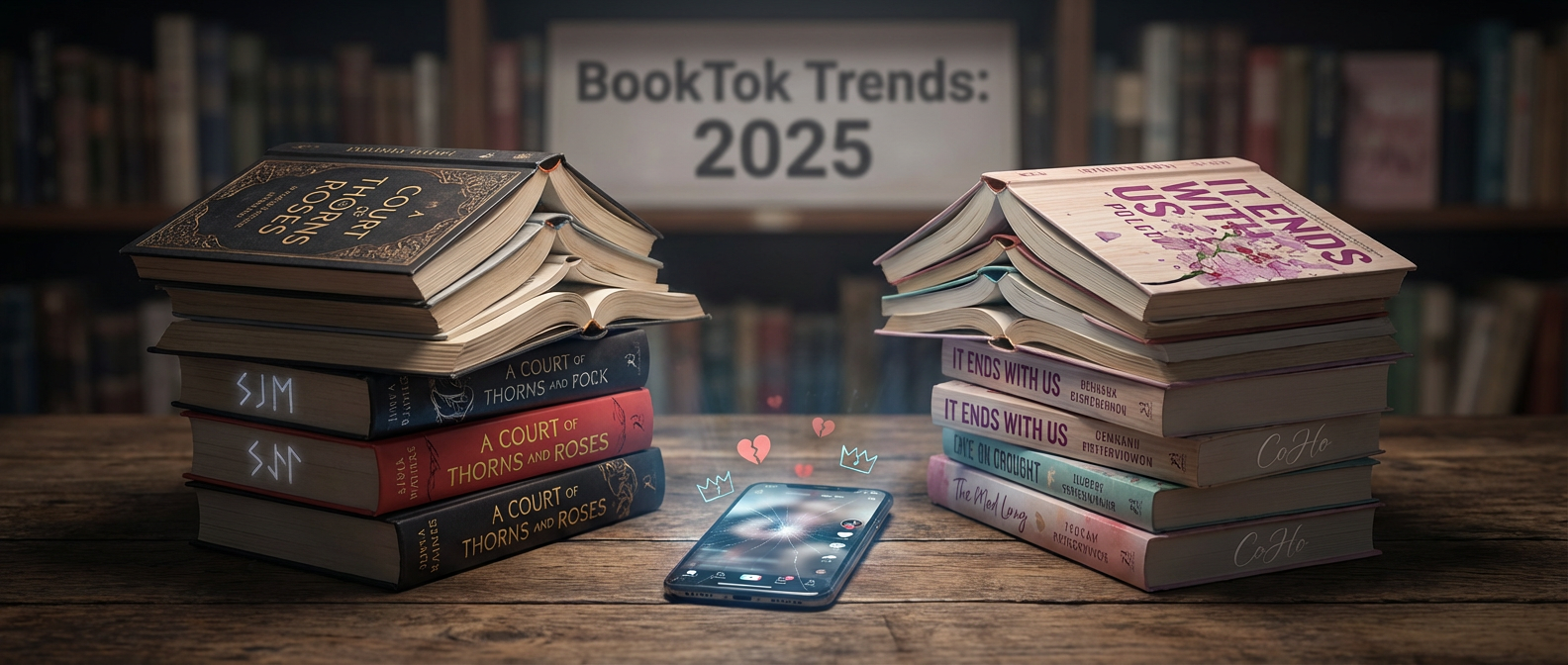
The trigger was almost absurd in hindsight. A BookTok creator posted a video ranking romance MMCs, placing Rhysand below Atlas Corrigan. Simple preference, right? Wrong. Within hours, the comment section became a battlefield. Team Feyre versus Team Lily. ACOTAR stans versus It Ends With Us defenders. The kind of hatred usually reserved for political fights was suddenly aimed at fictional relationships and the real people who loved them.
But here’s what nobody was talking about in those first chaotic days: how translation plays into these wars. When international fans read these books in different languages, cultural contexts shift. Rhysand’s possessiveness reads differently in cultures with varying relationship norms. Atlas’s protective nature gets filtered through different ideas of masculinity. We weren’t just fighting about characters anymore. We were fighting about how culture shapes our reading of romantic relationships, and nobody had the words to discuss it.

The Algorithm Made Us Do It
BookTok’s algorithm feeds on engagement, and nothing drives engagement quite like controversy. The platform rewards hot takes and emotional reactions. Post a thoughtful discussion about translation differences in romance tropes? Maybe 200 views. Post “Colleen Hoover is overrated and here’s why”? Suddenly you’re viral, and not always in a good way.
The numbers tell a devastating story. Romance novel sales dropped 12% in the first quarter of 2025, marking the first decline since 2019. This wasn’t about market saturation or reader fatigue. This was about a community eating itself alive. Independent authors, already struggling to compete with established names, reported a 67% increase in suspected coordinated negative reviews. The same passion that built these massive fandoms was now weaponized against the books we claimed to love.
Translation makes this even more complicated. International BookTok creators often work with texts that have been culturally adapted, not just linguistically converted. When a German reader discusses ACOTAR, they’re responding to character dynamics that may have been subtly shifted to resonate with German romantic conventions. When these perspectives clash with English-language discourse, the resulting friction gets misread as personal attack rather than cultural difference.
The Casualties of War
By March 2025, the damage was undeniable. The Romance Writers of America formed a crisis intervention committee after multiple authors abandoned social media entirely, citing mental health concerns. These weren’t just debut novelists fleeing the spotlight. Established authors with decades of experience were stepping back from platforms they’d used to build their careers.
Goodreads, once a sanctuary for book lovers, became another battlefield. Harassment incidents increased by 234% in late 2024, forcing the platform to roll out new comment moderation systems. The Goodreads Community Support team found themselves mediating disputes that had nothing to do with the books themselves and everything to do with fandom loyalty.
The translation angle reveals something crucial here: many of these conflicts stem from readers experiencing fundamentally different texts. A Spanish translation might emphasize different aspects of a character’s personality. A French version could highlight romance elements that feel subdued in English. When fans argue about whether Rhysand is romantic or toxic, they might literally be discussing different textual realities. The tragedy is that these could be fascinating conversations about how language shapes interpretation, but instead they’ve become tribal warfare.
What We Lost in Translation
The saddest casualty of the romance wars isn’t the sales numbers or even the author exodus. It’s the loss of thoughtful discussion about what makes these books work. Romance operates on emotional resonance, and emotional resonance changes across cultural boundaries. The possessive alpha hero who reads as protective in one cultural context might scan as controlling in another. These aren’t right or wrong interpretations. They’re different valid responses to how romance translates across cultures.
Think about how differently Western readers might interpret arranged marriage tropes compared to readers from cultures where arranged marriages are common. Or how the “grumpy sunshine” dynamic plays when translated into languages with different emotional expression norms. These conversations could enrich our understanding of both romance as a genre and reading as a cultural practice. Instead, we’ve reduced complex interpretation to team sports.
The authors caught in this crossfire aren’t just losing social media followers. They’re losing the rich dialogue that makes literary communities thrive. When Sarah J. Maas can’t discuss her character development choices without triggering harassment, we all lose the chance to understand how these stories work. When Colleen Hoover’s exploration of domestic violence gets reduced to stan wars, we miss opportunities to examine how difficult topics translate across different cultural contexts.
Reading Our Way Forward
The romance wars of 2025 exposed something uncomfortable about online literary culture. Our passion for books, when filtered through social media algorithms and tribal psychology, can become destructive. But recognizing this pattern gives us a chance to change it. Translation theory teaches us that there’s no such thing as a perfect, universal reading of a text. Every reader brings cultural context, personal experience, and linguistic background to their interpretation.
Maybe the answer isn’t choosing sides between Feyre and Lily, or between literary merit and commercial appeal. Maybe it’s learning to hold space for the fact that romance hits differently for different readers, and that’s not a flaw. It’s a feature. The books we love passionately deserve passionate discussion, but they also deserve the kind of thoughtful analysis that acknowledges how translation—cultural, linguistic, and personal—shapes our reading experiences.
What books have made you question how your own cultural context shapes your reading? I’m curious about the romance novels that work differently in translation, and whether you’ve noticed how your interpretation of favorite characters shifts when you encounter them through different cultural lenses. The conversation doesn’t have to be a war. Sometimes the most interesting discussions happen in the spaces between certainty.